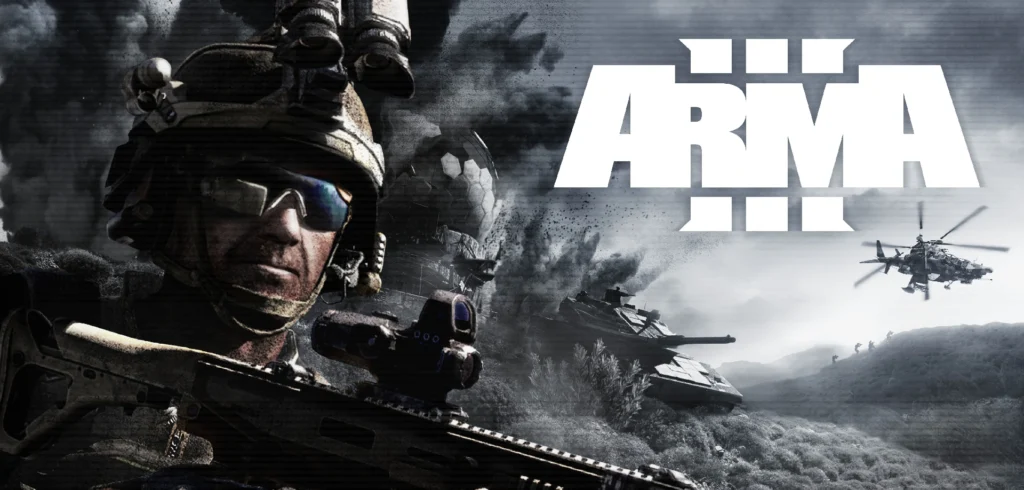
Arma 3 in 2025: The Old Warhorse Still Has Fight Left in It
A mil-sim classic that's still holding the line in 2025.
 | July 14, 2025
 When Arma 3 launched in March 2013, it wasn’t just another military shooter—it was a sprawling simulation that dropped you into 270 square kilometers of unforgiving terrain, handed you your map and compass, and wished you luck. Back then, it was rough around the edges: clunky UI, spotty tutorials, and a solo campaign that often felt like an extended boot camp with a side of political drama. But even then, you could see the bones of something huge.
Fast forward to 2025. The game is now twelve years old, and it should, by all rights, be buried under a pile of more modern shooters. Instead, Arma 3 is still alive and kicking—with a consistently active player base, a huge collection of DLCs, and a modding scene that’s transformed its aging framework into a dynamic, near-endless tactical sandbox. Bohemia Interactive’s newer sibling project, Arma Reforger, may boast better visuals and a sleek new engine, but it hasn’t unseated its predecessor. With Arma 4 still two years away, Arma 3 remains Bohemia Interactive’s de facto flagship.
What’s kept it going? A die-hard community. A constantly evolving mod library. A multiplayer ecosystem that refuses to go stale. Arma 3 isn’t just surviving in 2025—it’s thriving. It may take a while to learn the ropes (and how to read a map and compass under fire), but once you’re in, there’s no other game quite like it.
- Platform: PC
- Publisher: Bohemia Interactive
- Developer: Bohemia Interactive
- Game Type: Military Sandbox Simulator
- Player Count: Multiplayer
- Business Model: Buy-to-Play, DLCs
- Release Date: Sept. 12, 2013
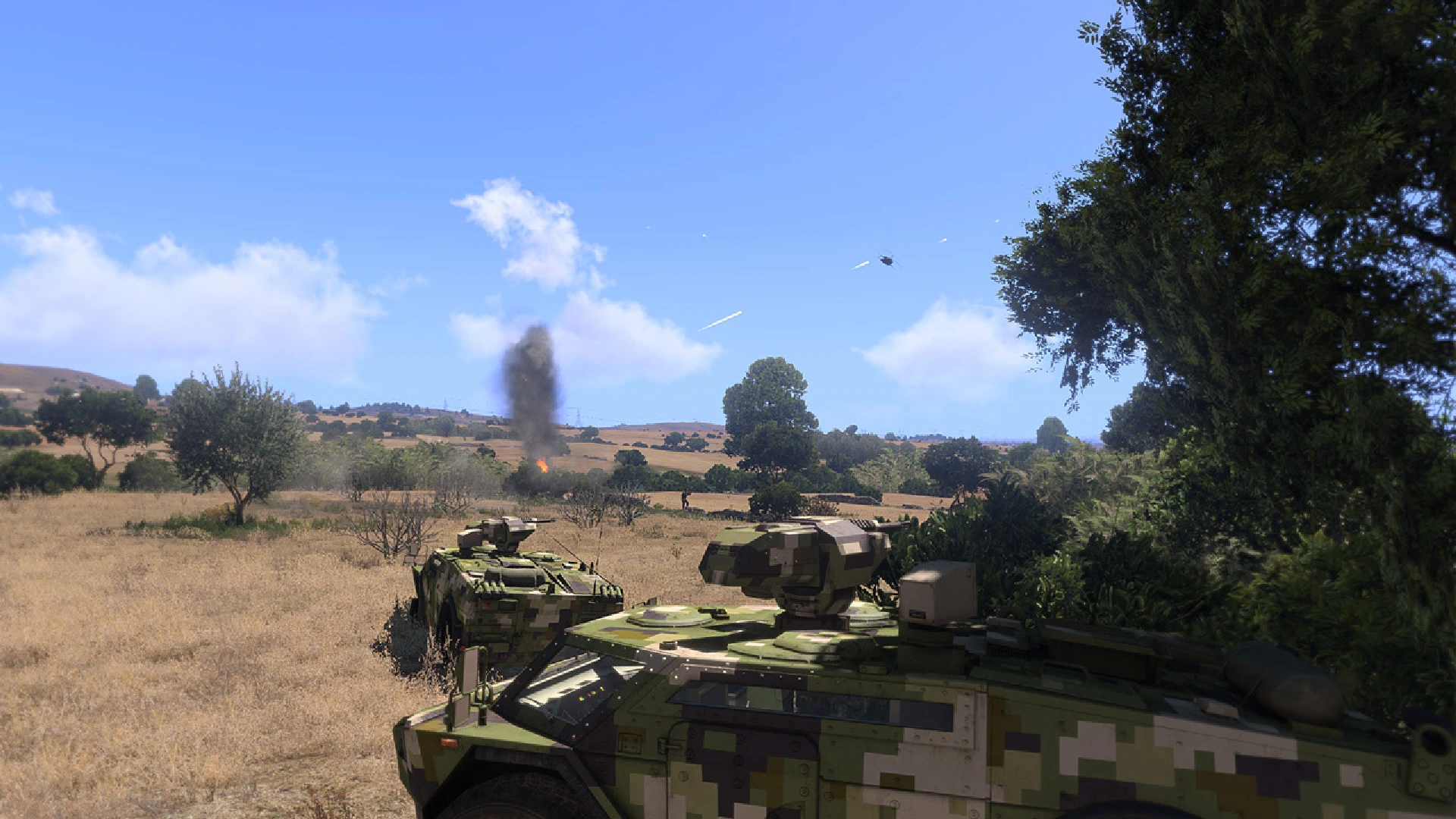
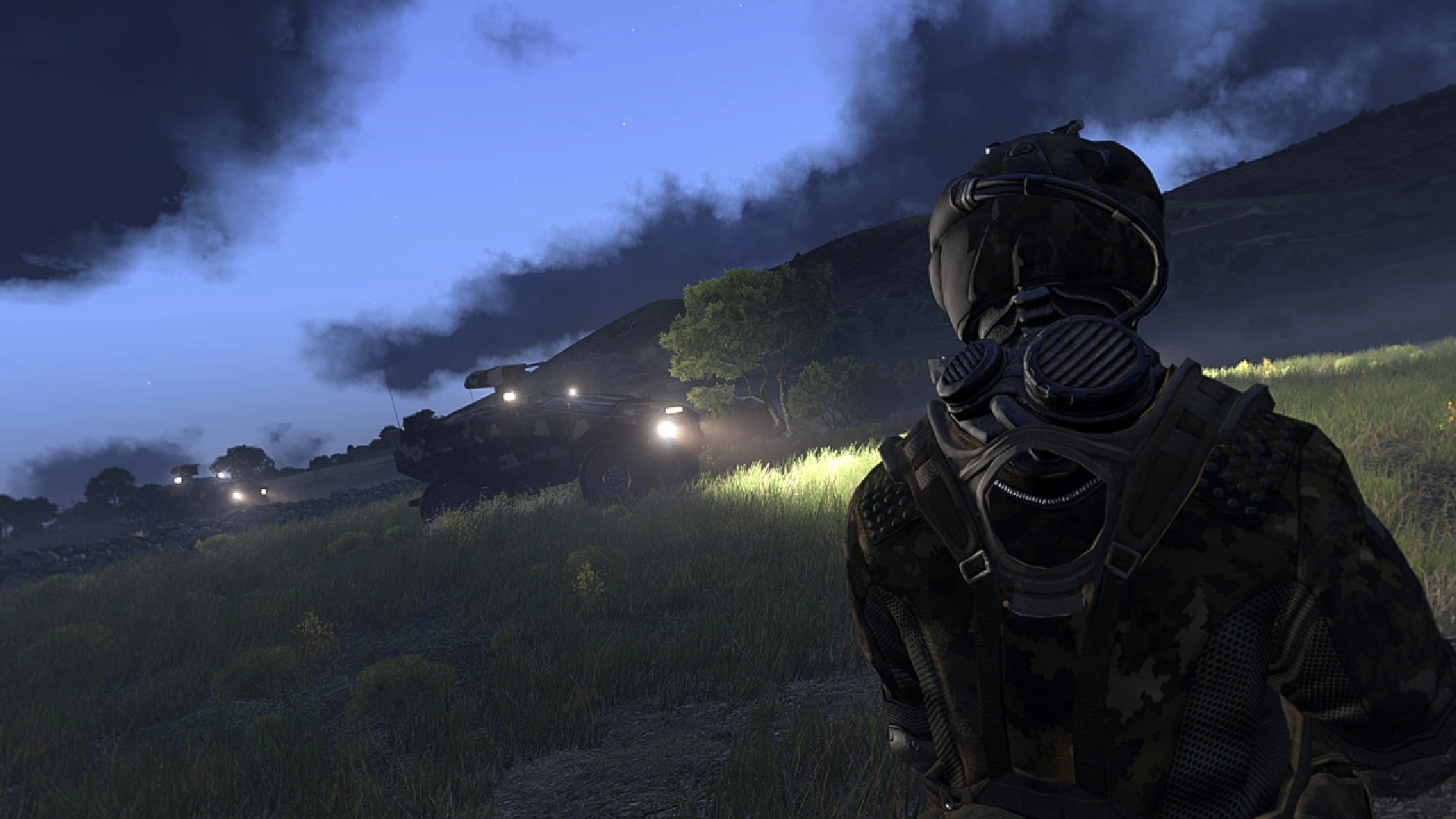
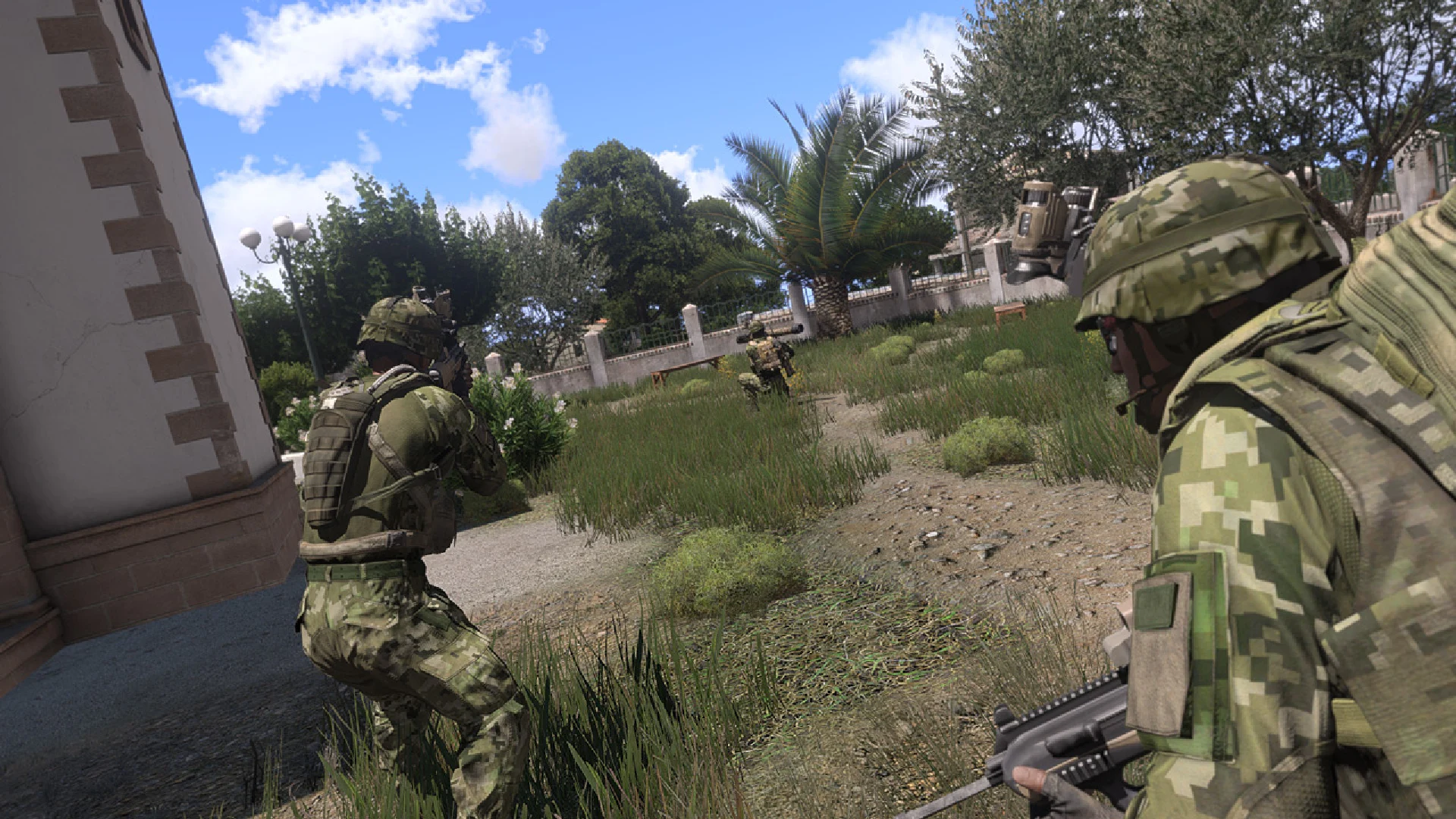
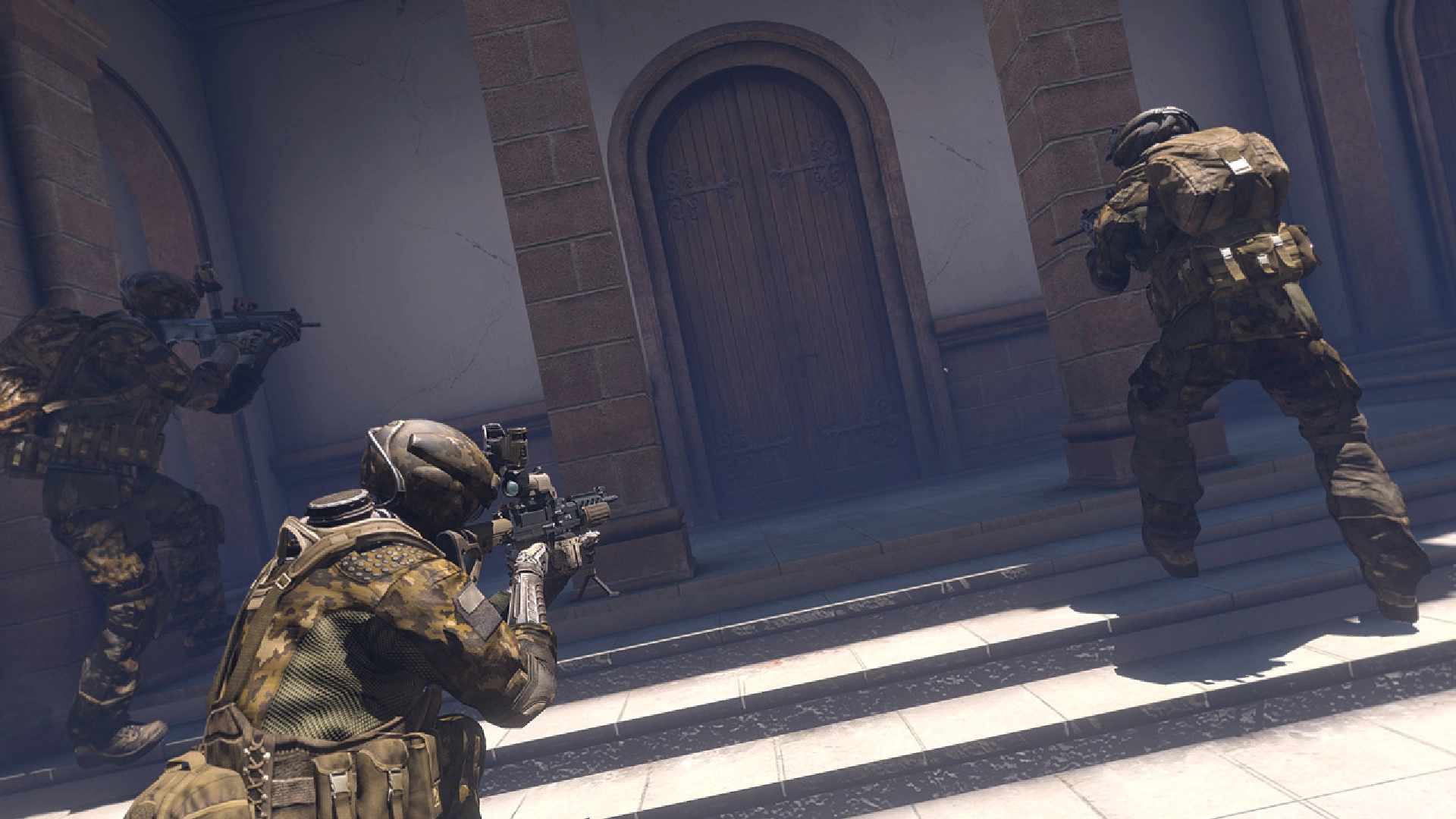
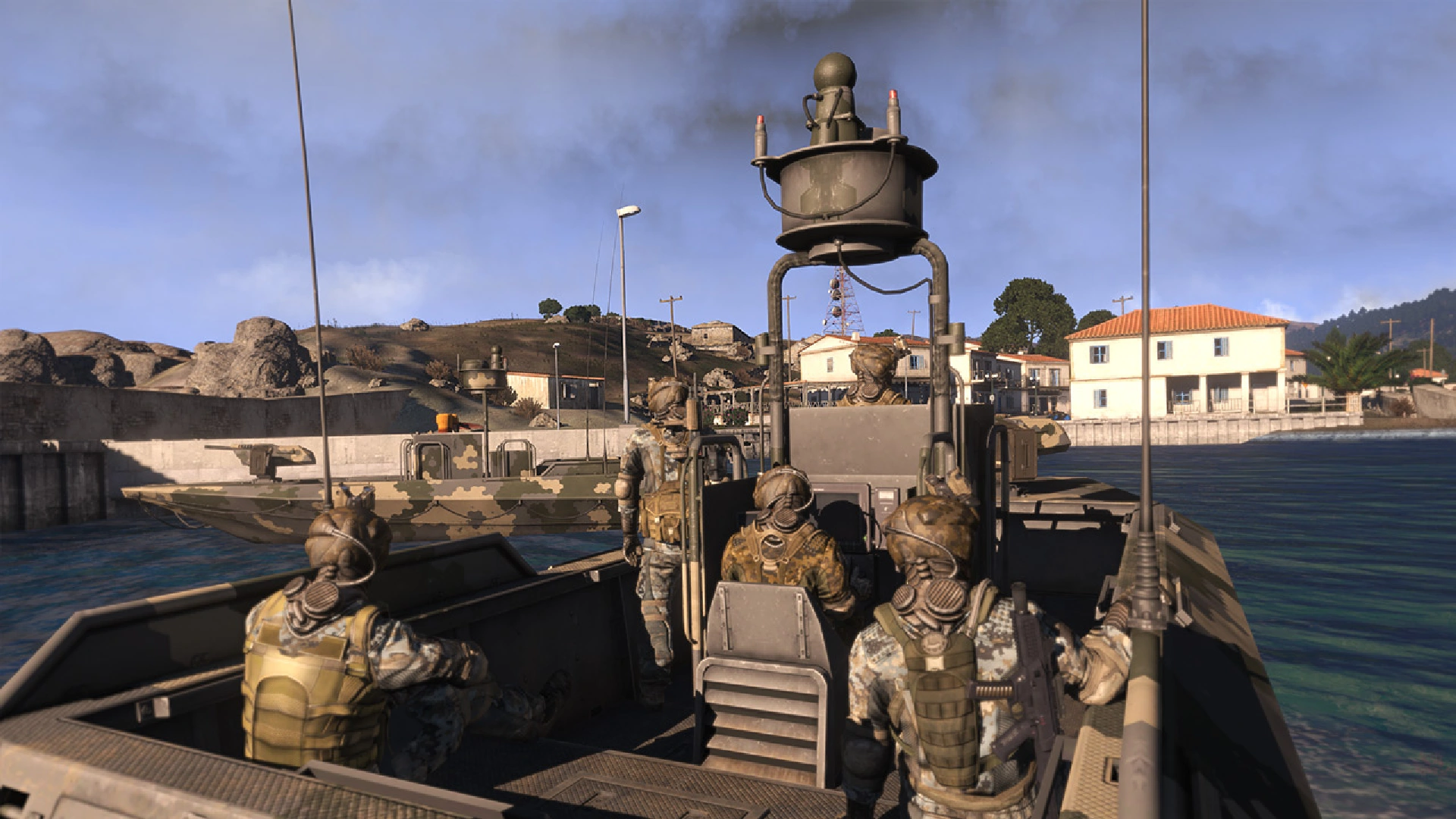
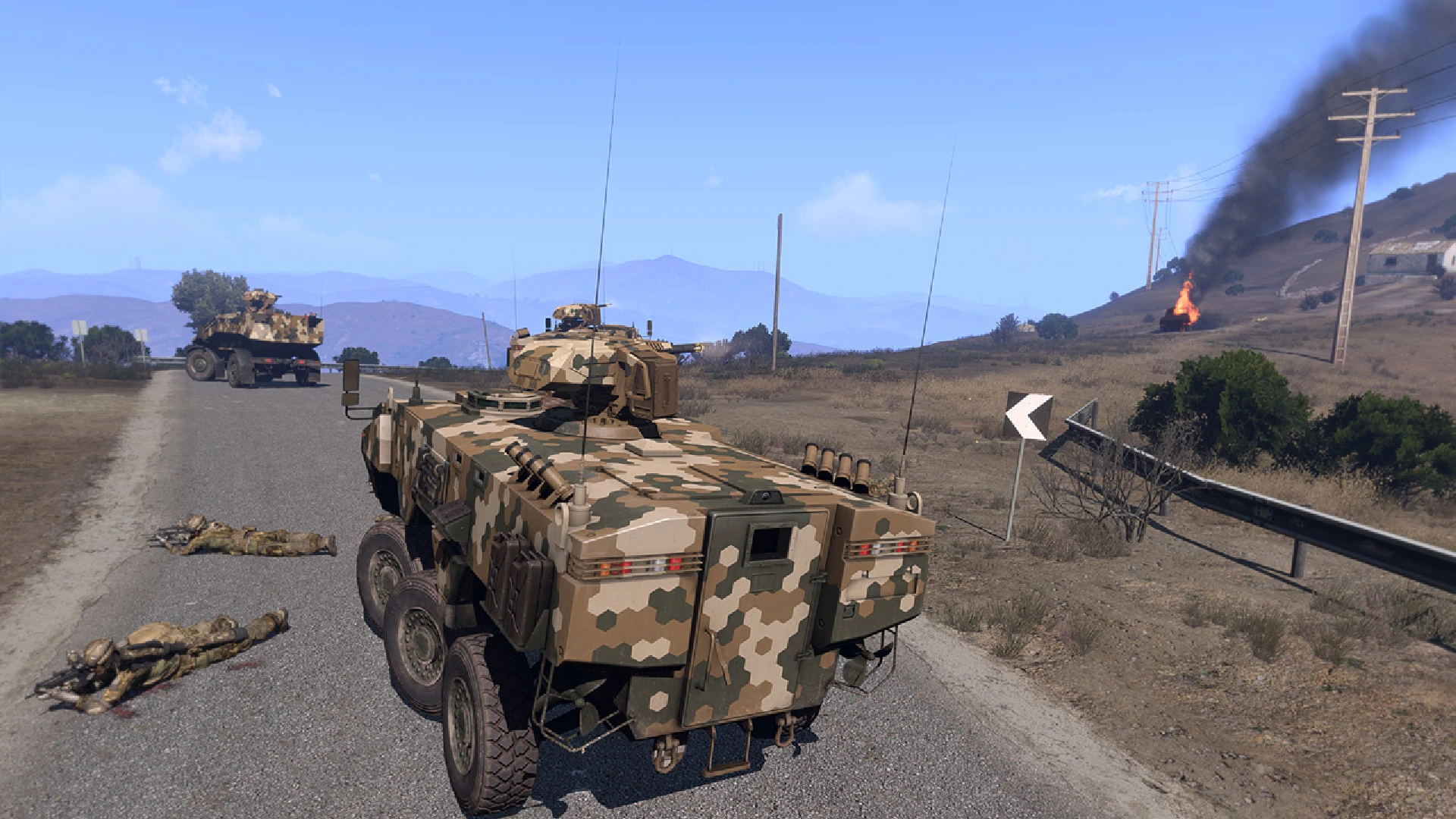
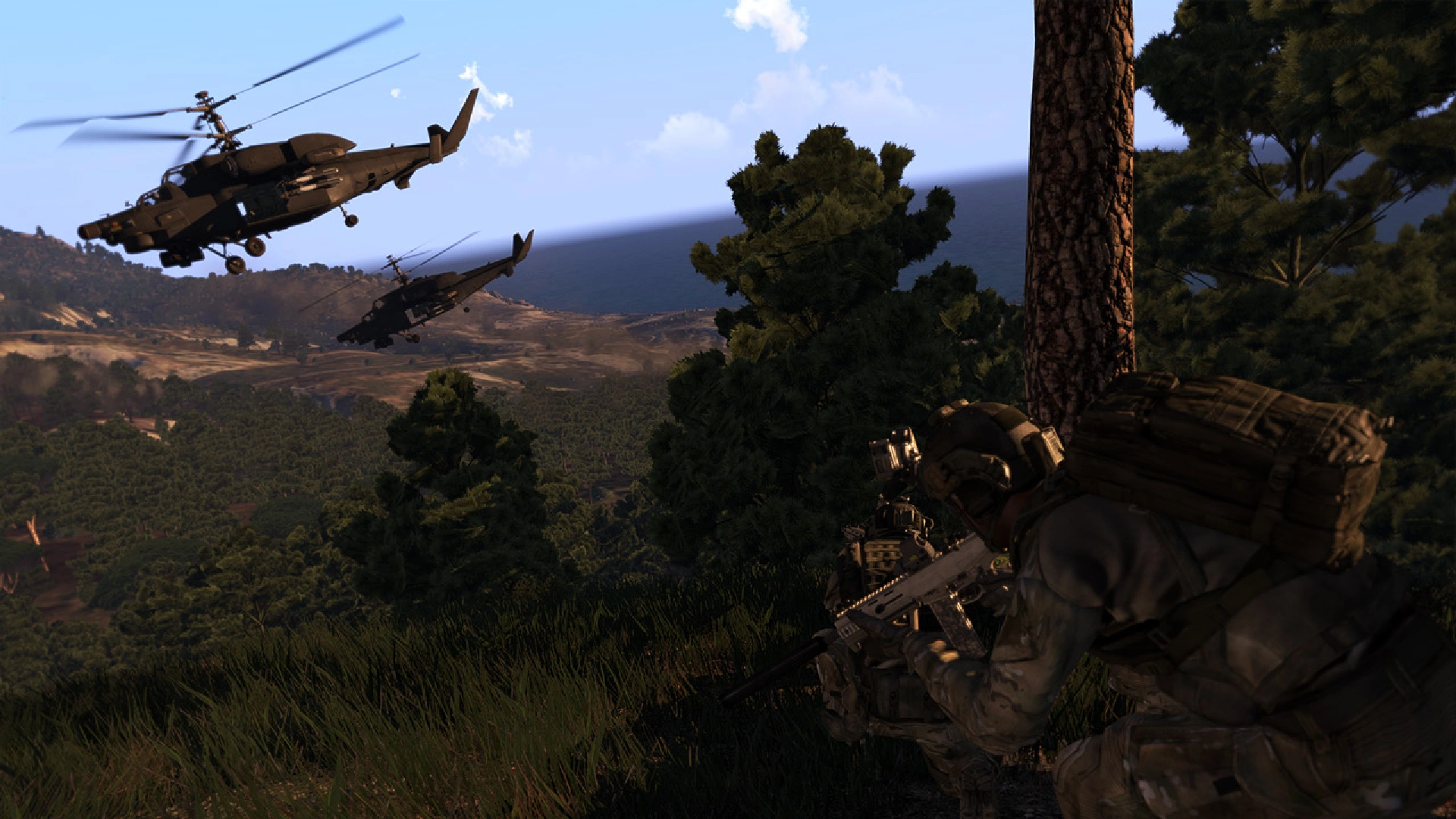
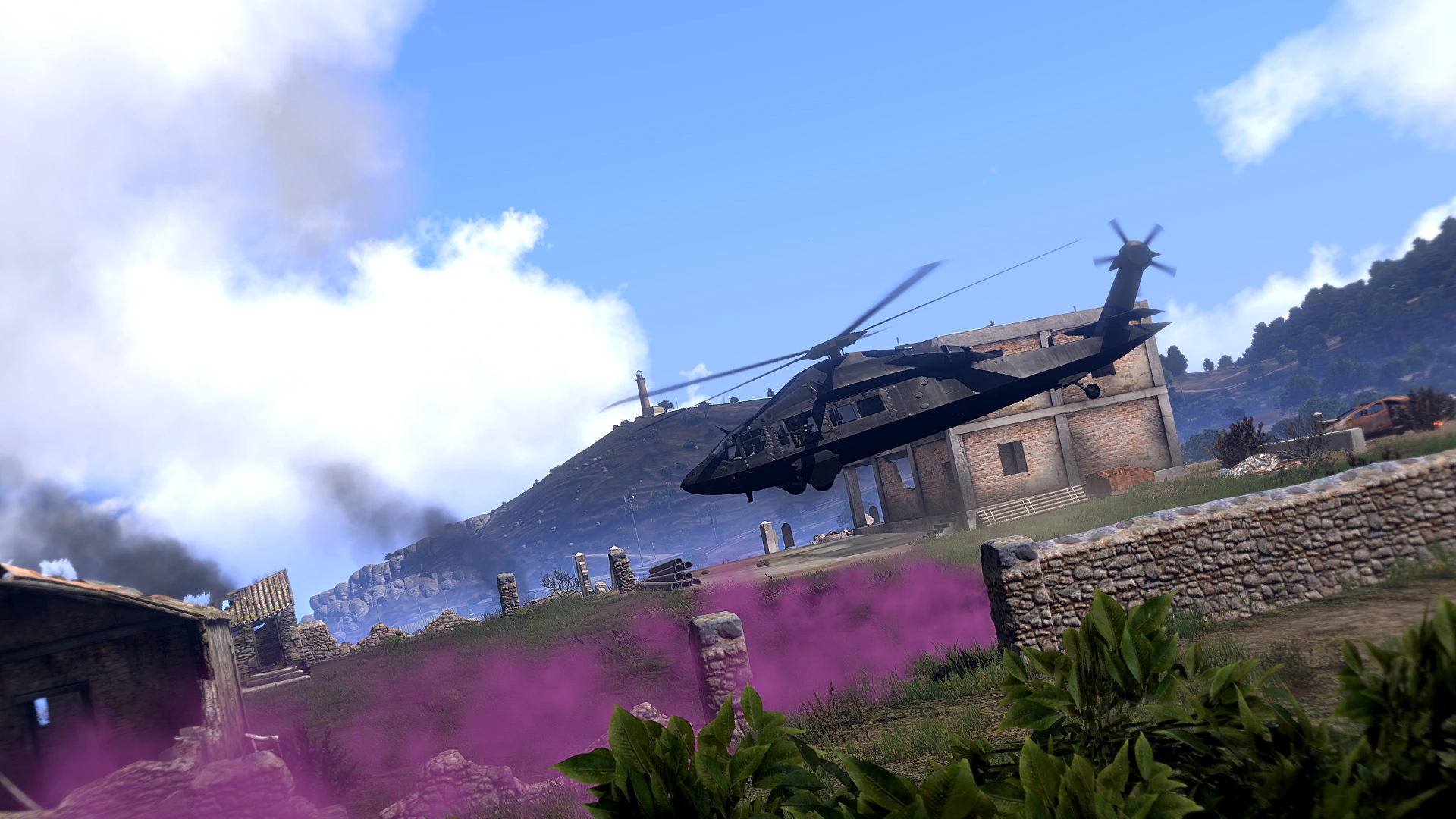
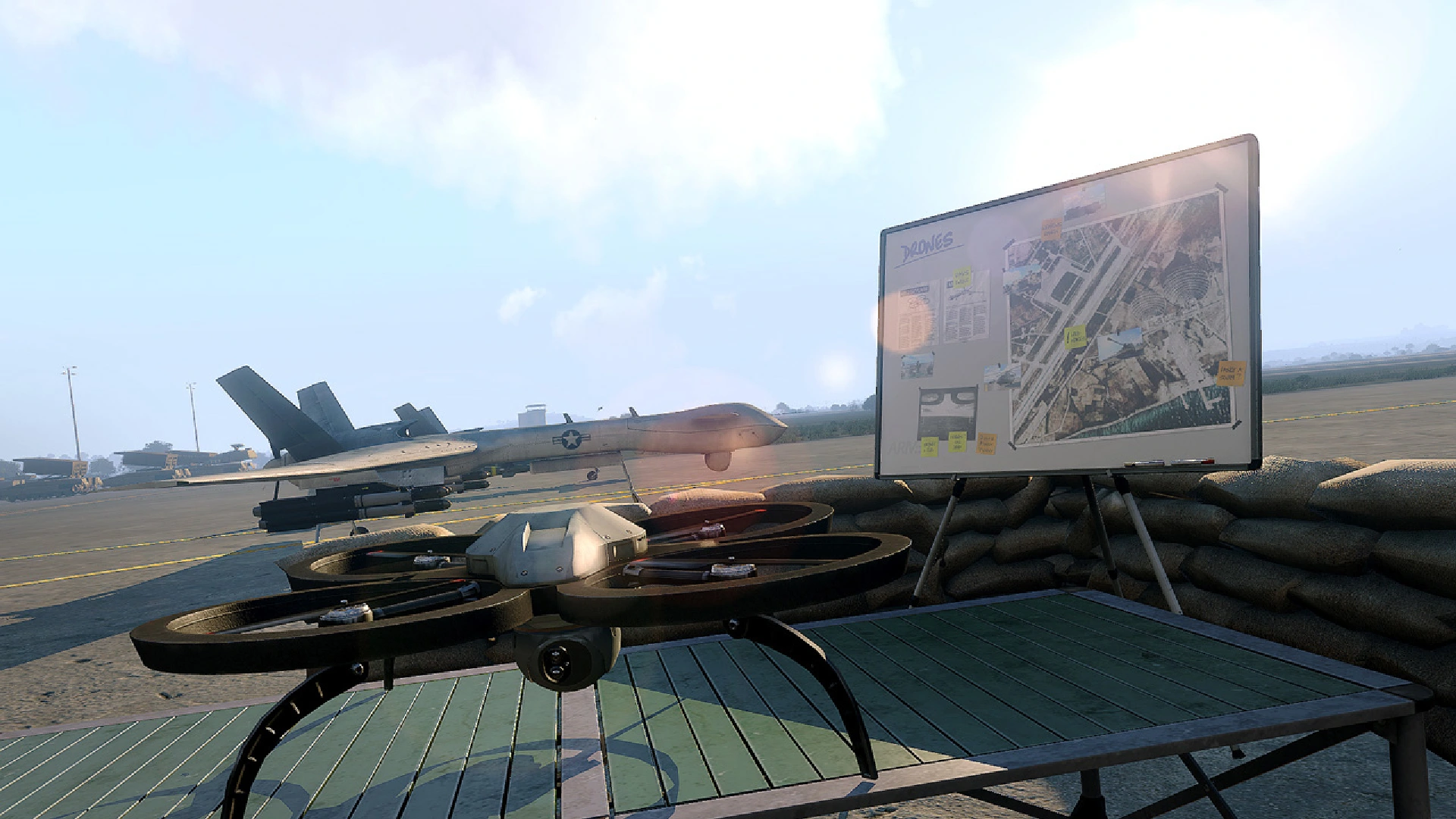
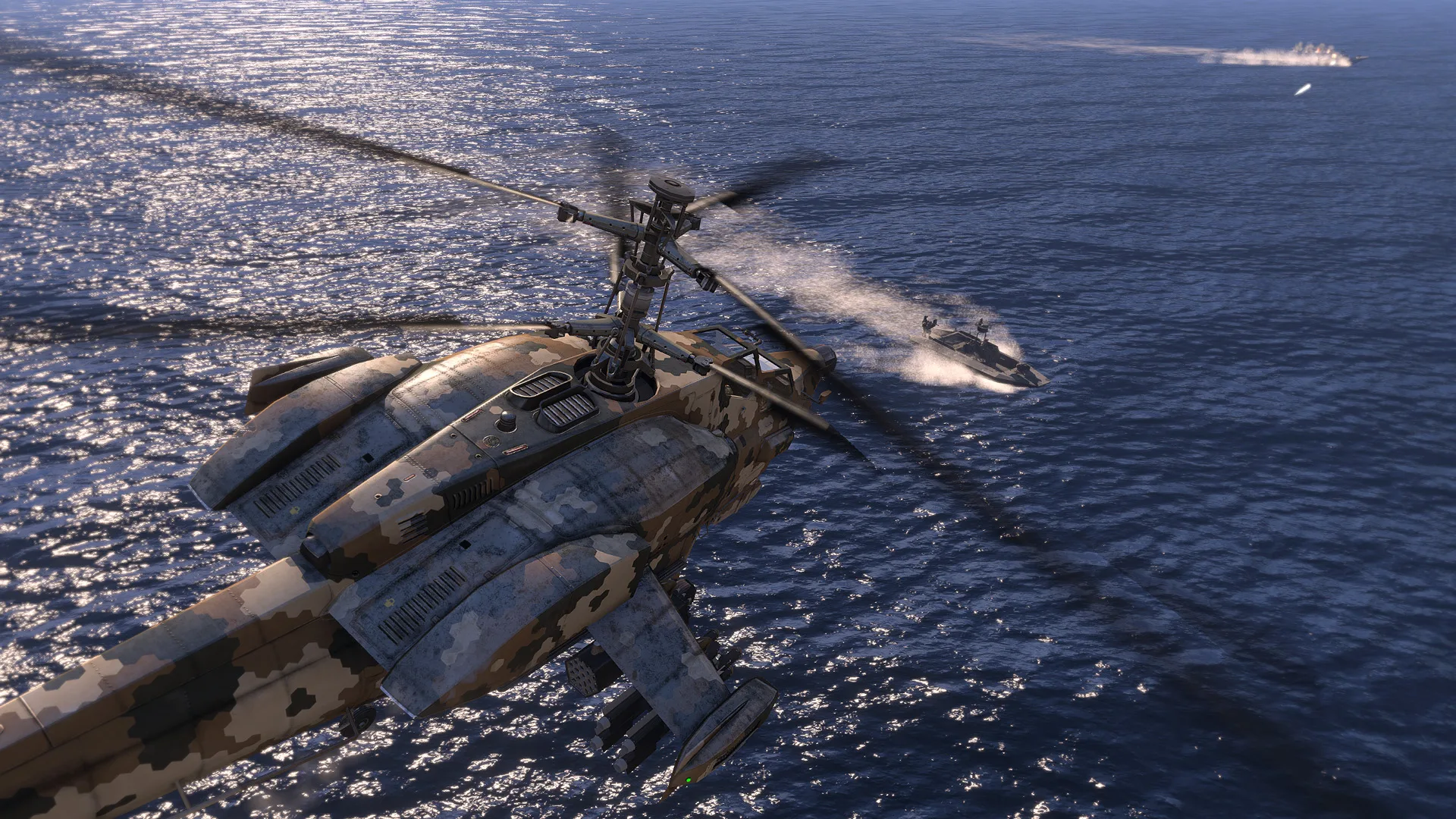
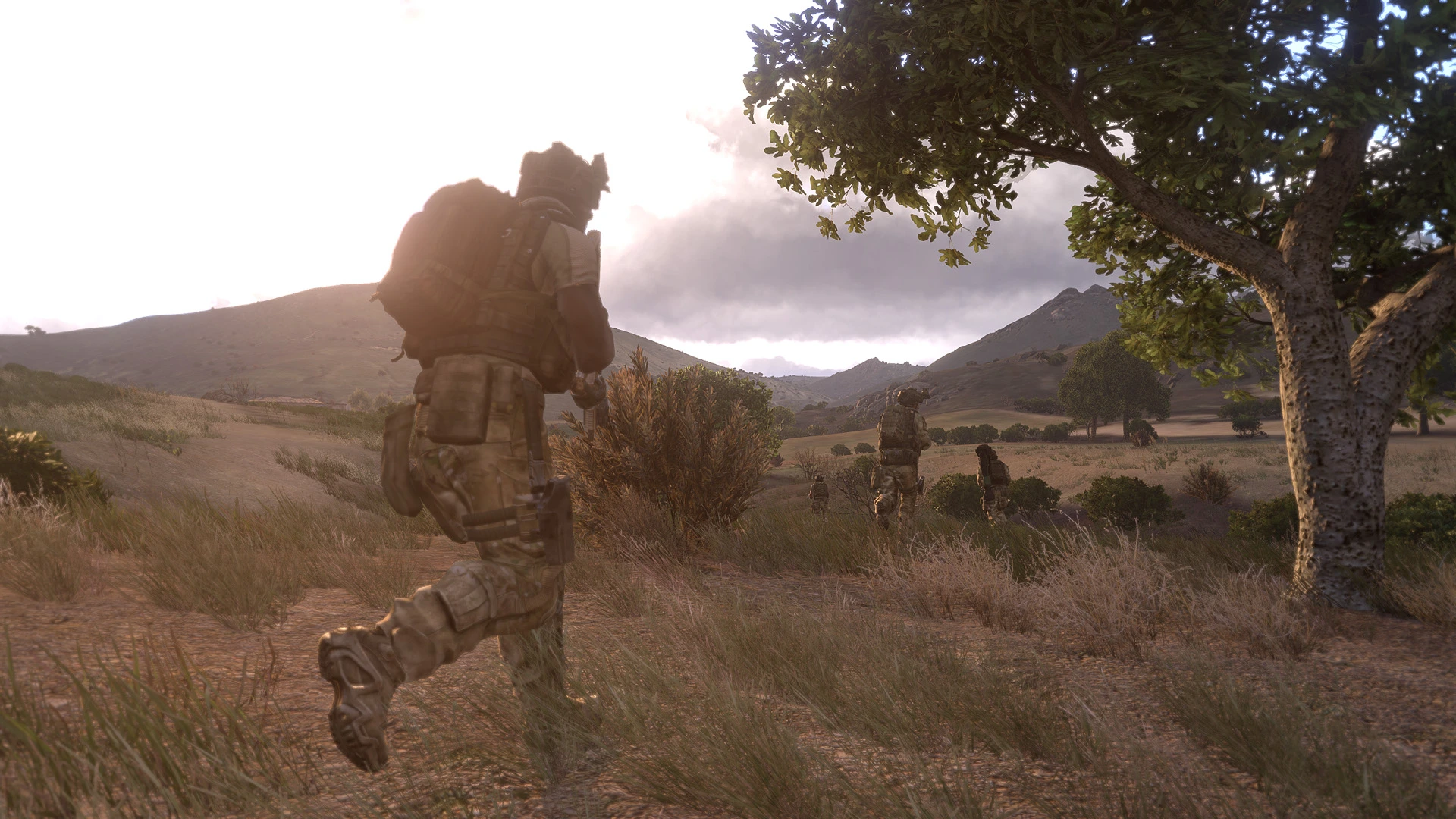
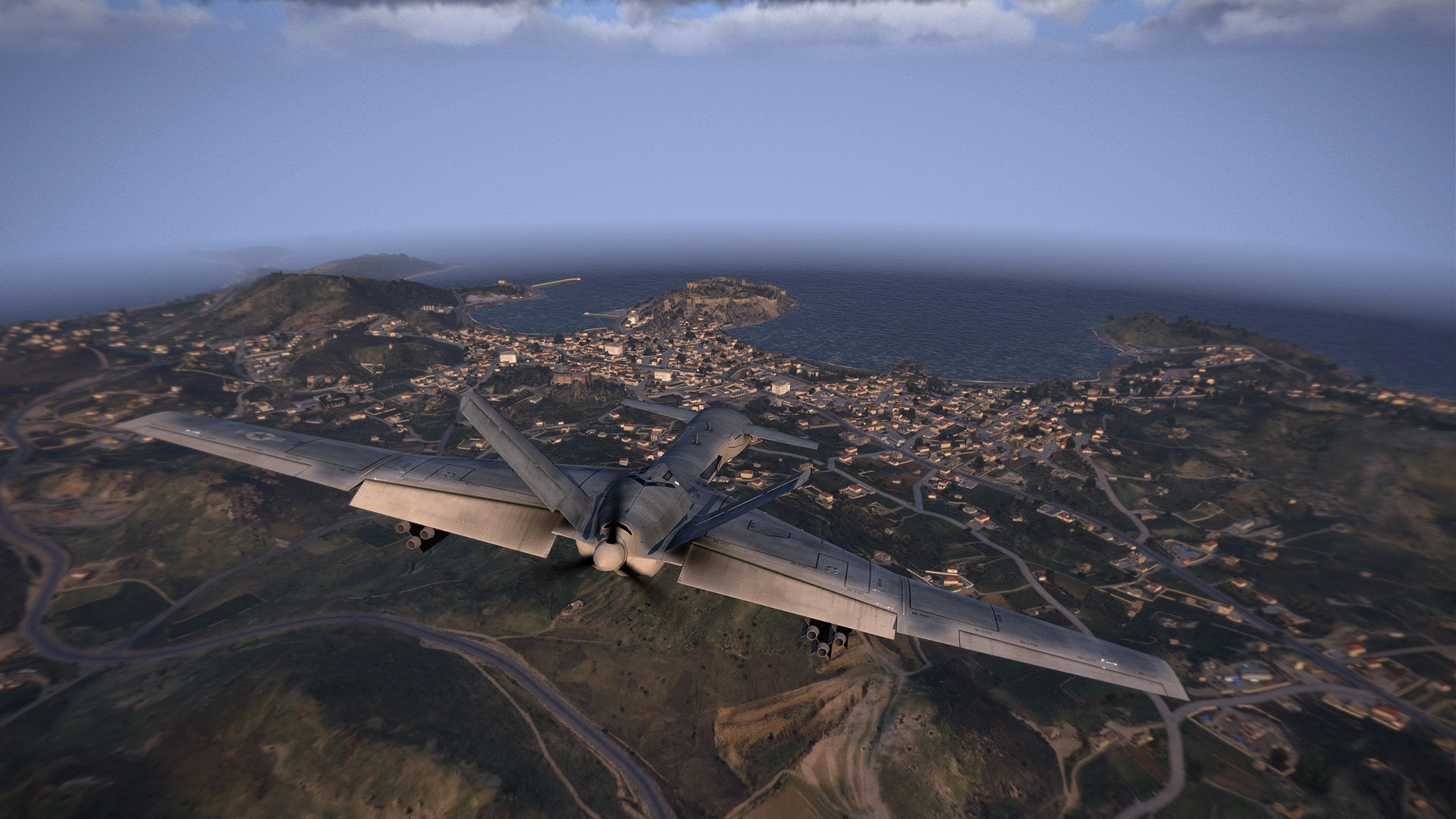
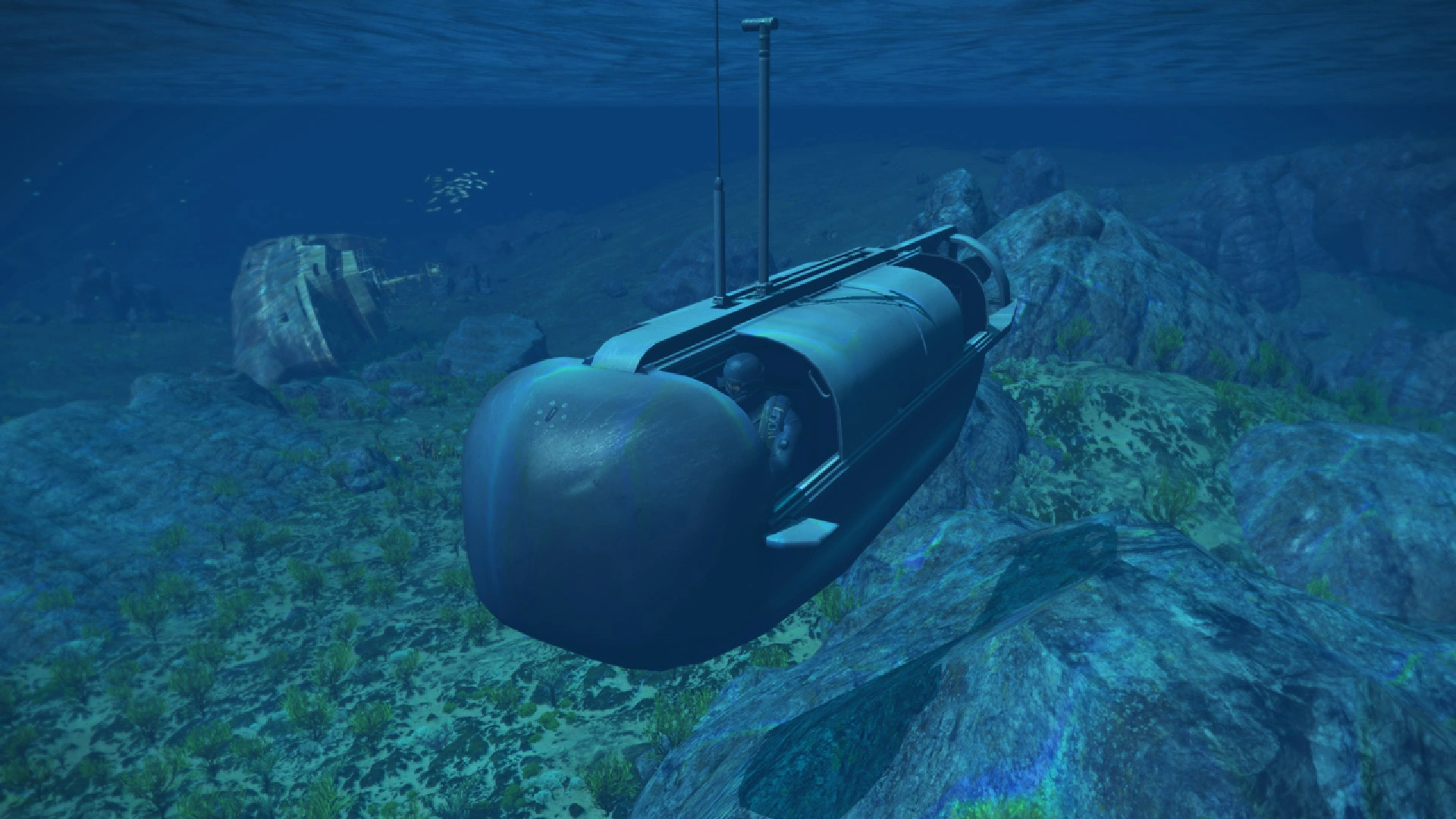
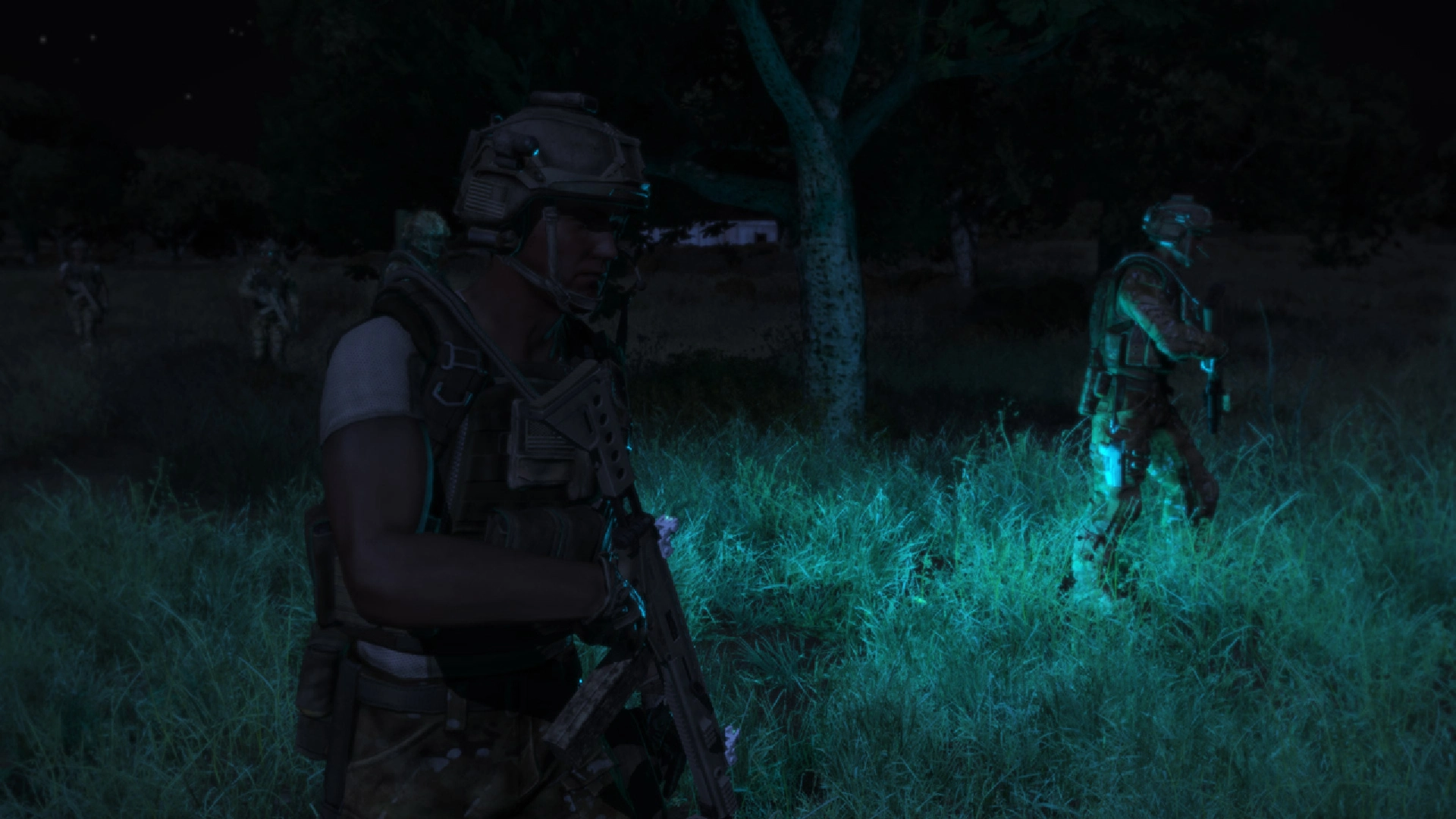
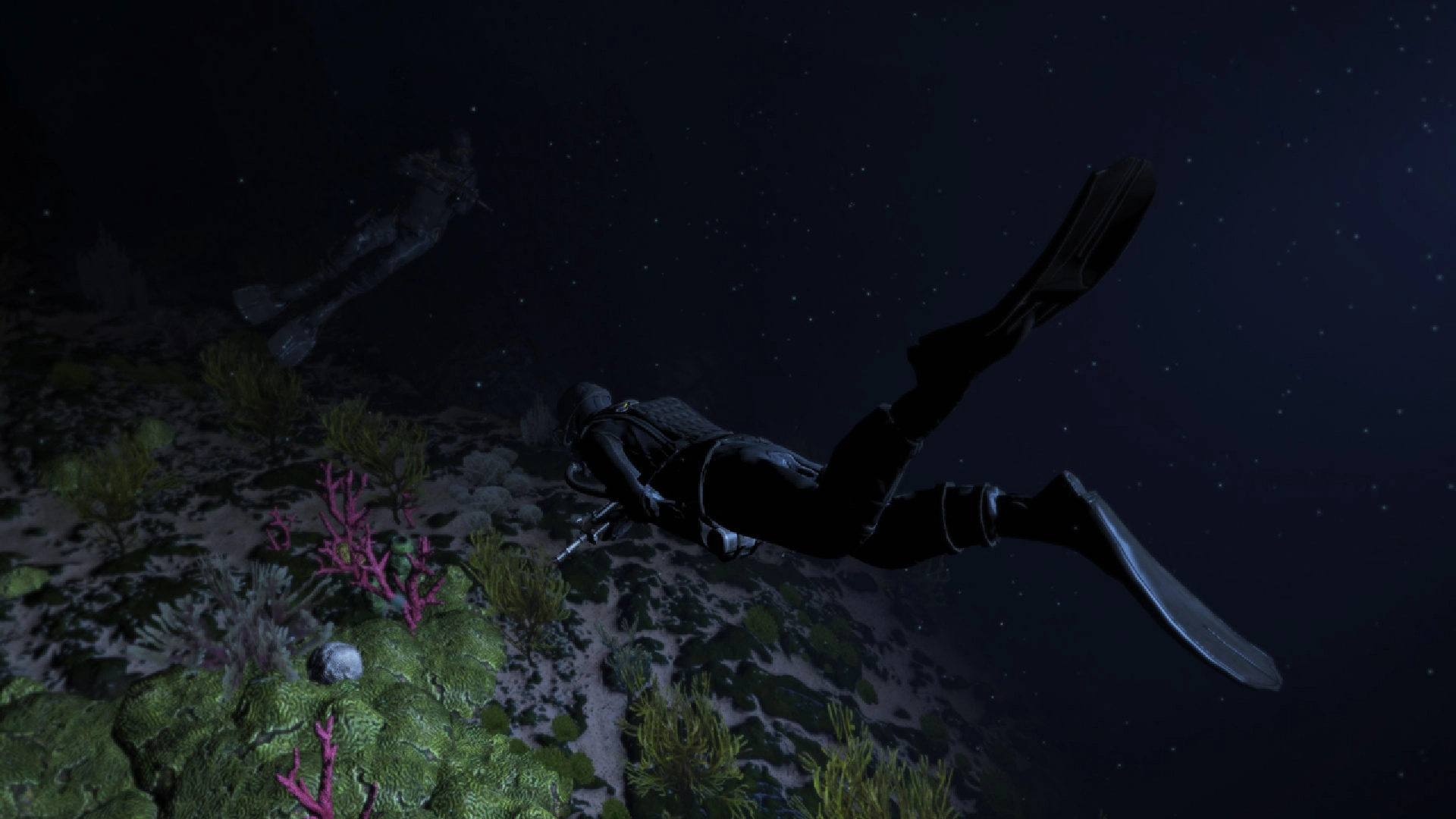
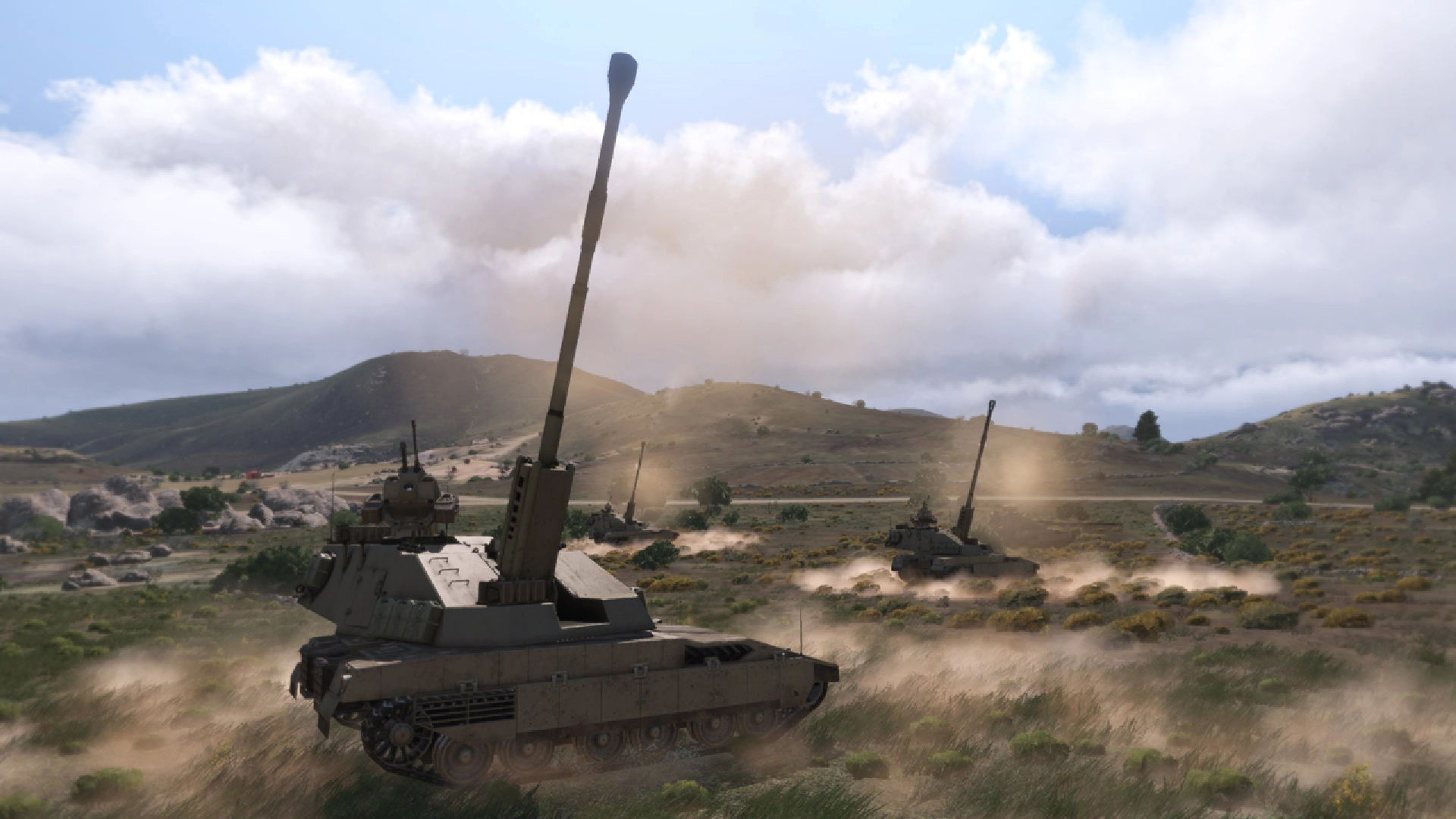
The Grit, the Grind, and the Gunfire
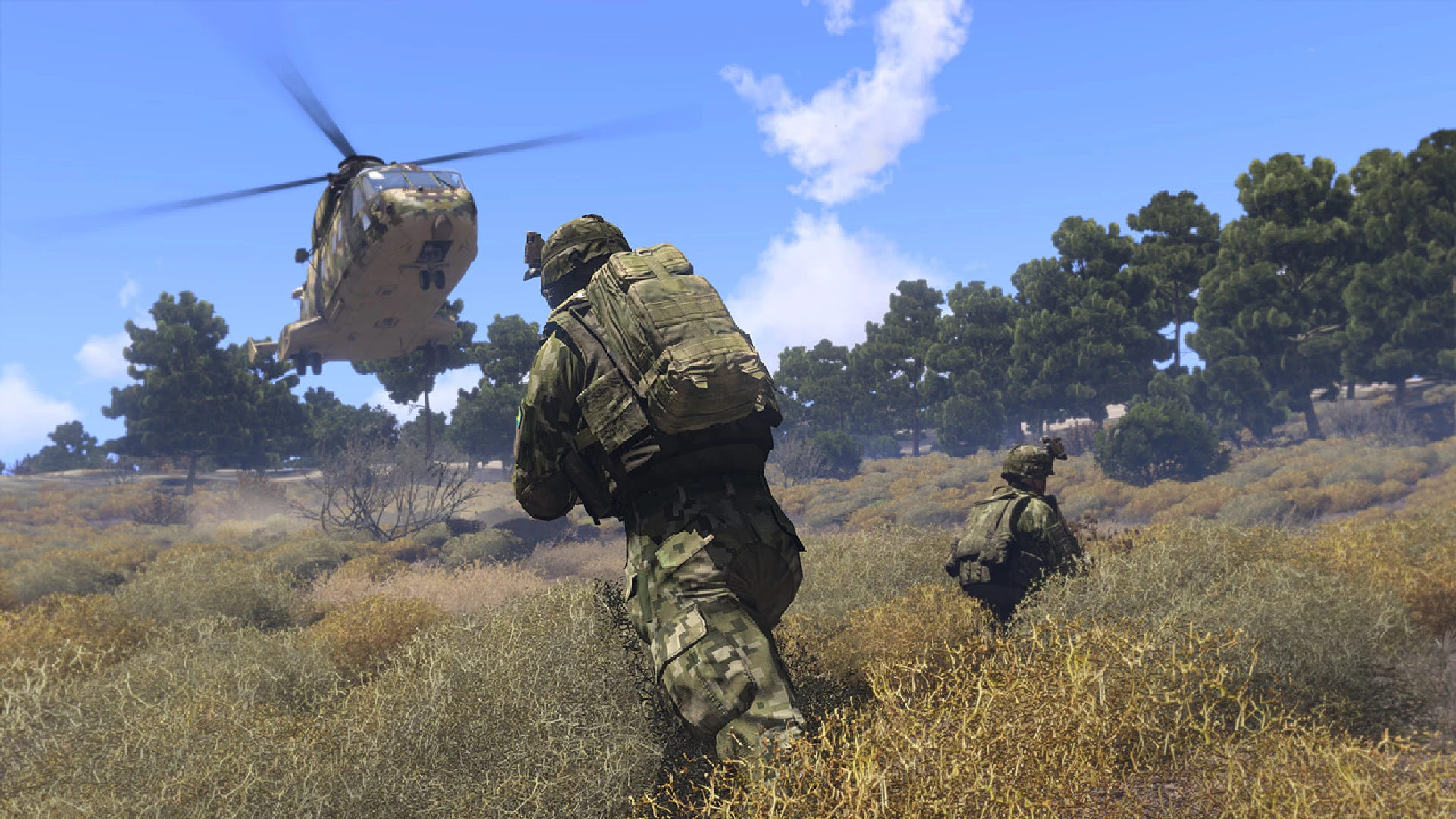
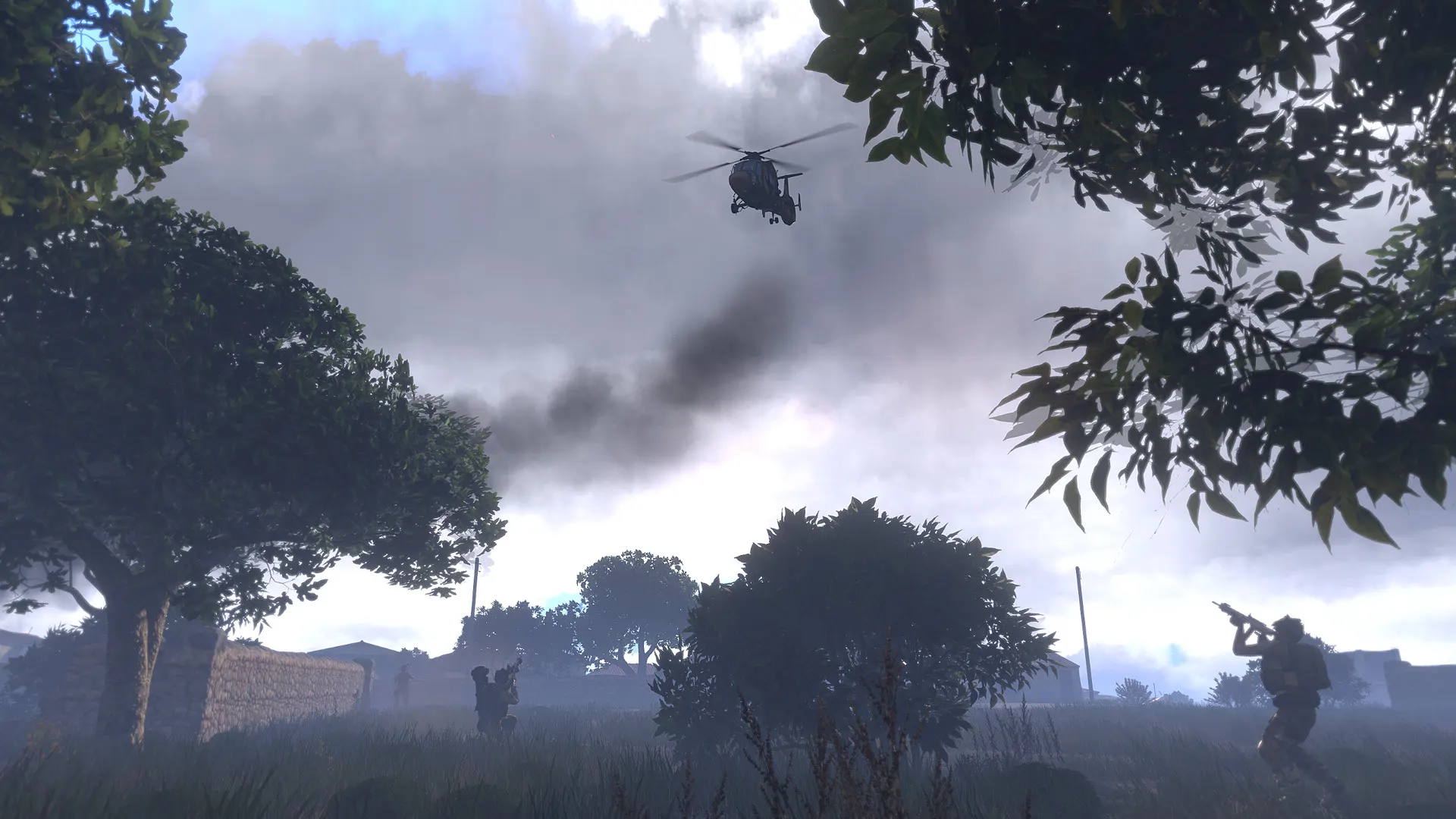
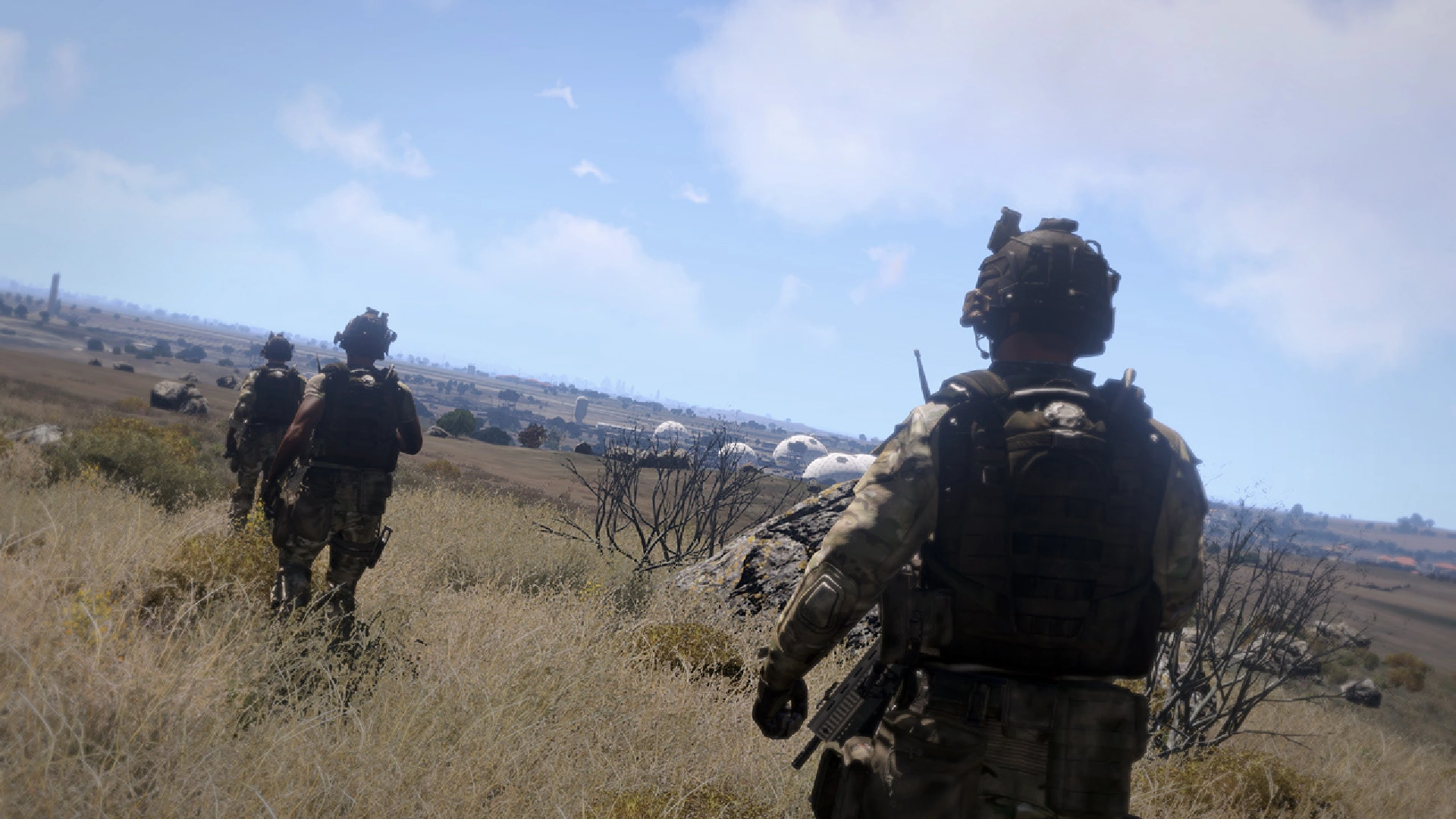
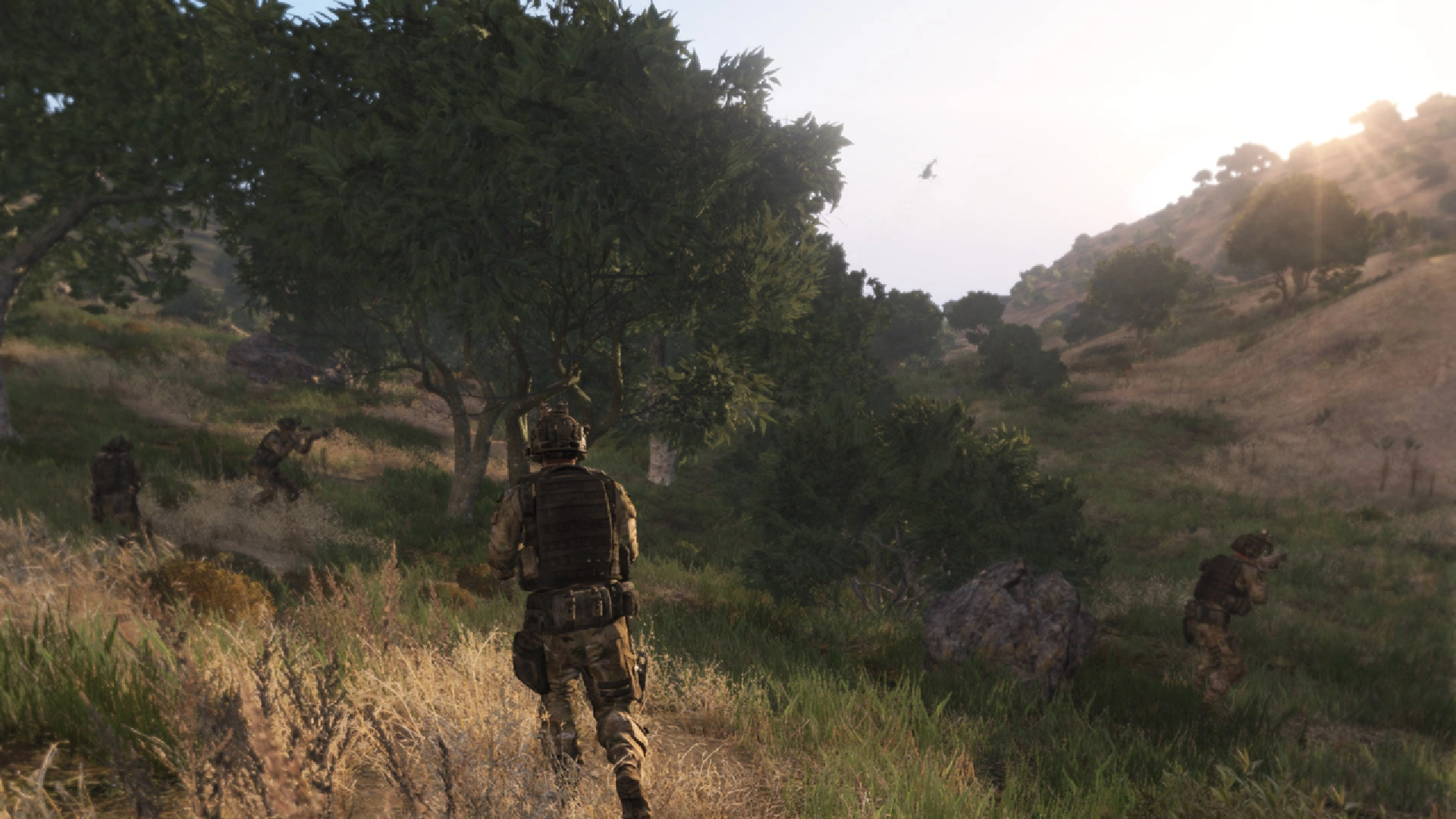
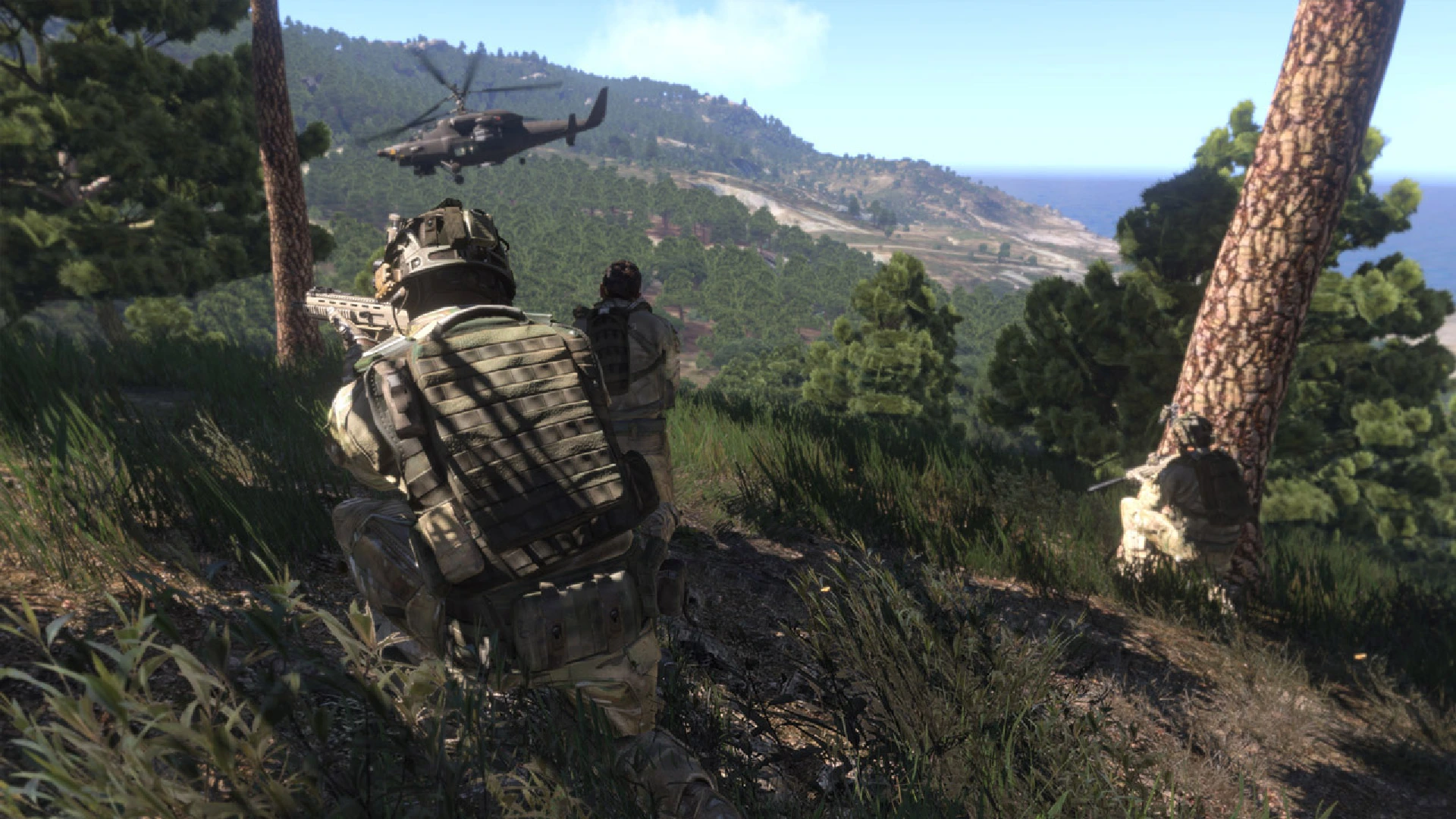
At its core, Arma 3 is a military sandbox simulation first, and a shooter second. Unlike twitchy, corridor-style FPS games that reward reaction time above all else, Arma 3 forces you to slow down, plan your moves, and respect every bullet. One wrong call—flanking too early, standing upright in open terrain, misreading your squad’s formation—and it’s lights out. There’s no killcam, no respawn timer, and no dramatic soundtrack. Just the crack of gunfire and the slow fade to black.
The game world is enormous. The main islands—Altis and Stratis—are fictional but modeled closely after real Mediterranean geography. Altis alone spans 270 km², giving you more than enough room to screw up an insertion, lose a squadmate, or go completely off-mission and end up in the ocean. Terrain matters here. Elevation, cover, line of sight, even wind direction can make or break an engagement.
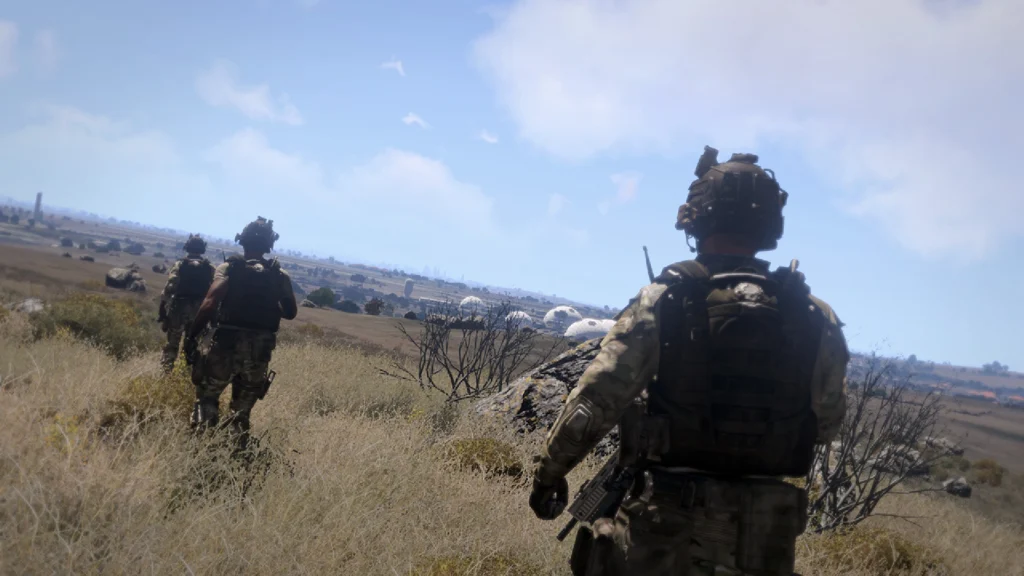
The single-player campaign—told over three chapters titled Survive, Adapt, and Win—follows Corporal Ben Kerry through a near-future conflict that escalates from a peacekeeping mission to full-scale war. It’s decent, and the missions offer a good tutorial in disguise, easing new players into the mechanics. But compared to the unpredictable chaos of multiplayer, the campaign now feels like a relic. It’s a lonely, stiff affair that teaches you the basics but doesn’t quite capture what makes Arma 3 shine.
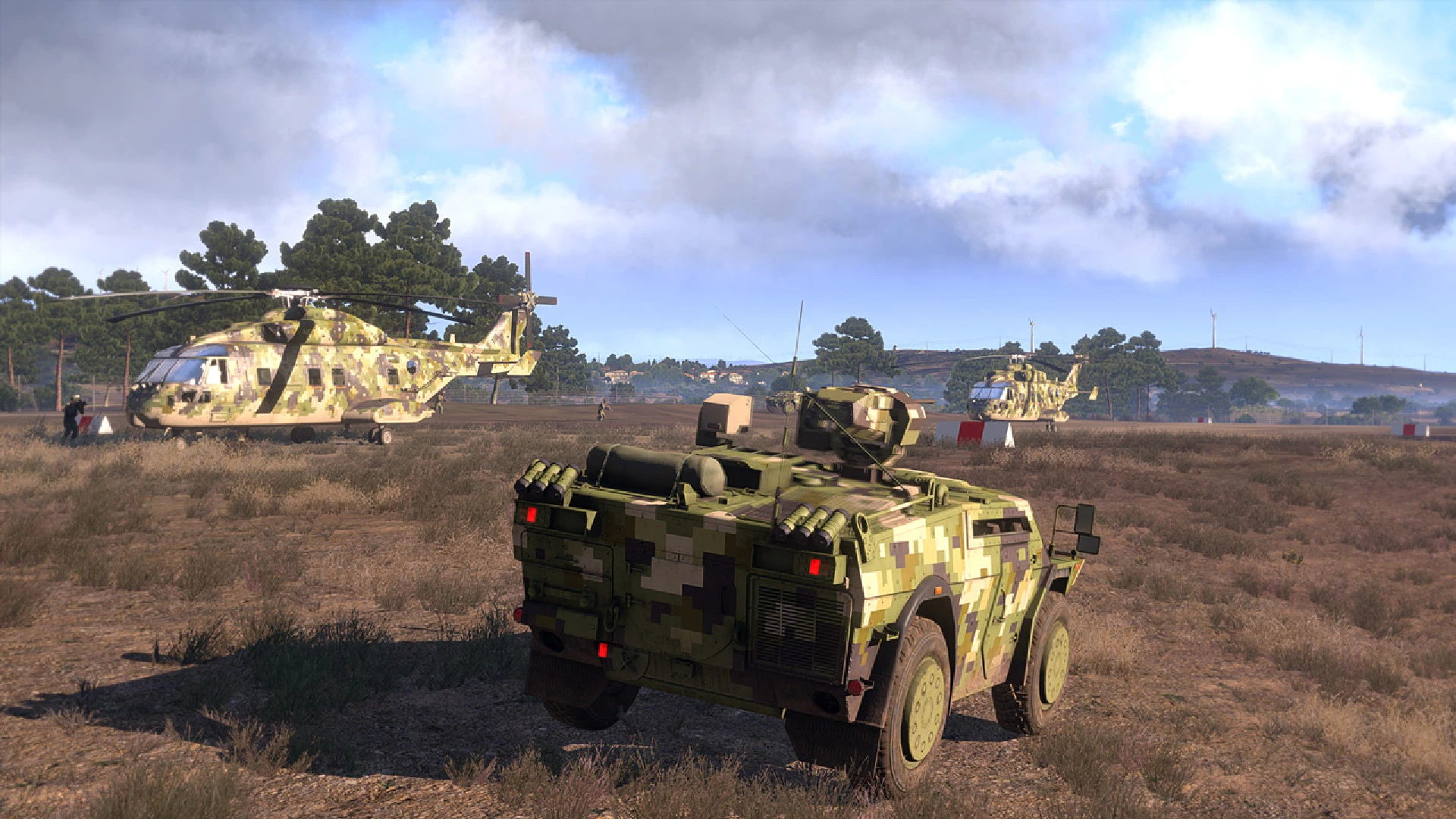
Where the game picks up steam is in its post-launch content. DLC packs like Apex introduce lush jungle combat zones in Tanoa; Spearhead 1944 takes players back to Normandy with a WWII overhaul; Contact injects a weird sci-fi twist with aliens and electronic warfare. Creator DLCs like S.O.G. Prairie Fire (Vietnam), Global Mobilization (Cold War Europe), and Western Sahara (modern desert warfare) expand the sandbox even further with handcrafted campaigns, new factions, and authentic military gear. Some are better than others, but they all contribute to the game’s real strength: variety.
There’s no shortage of content to chew through in single-player, and the flexibility of Arma 3’s editor means you can create your own missions or play curated scenarios without ever touching multiplayer. But let’s be honest—if you’re playing Arma 3 in 2025 for the campaign, you’re missing the point.
Because once you step into multiplayer, that’s where the real war begins.
Multiplayer: Where the Real War Lives
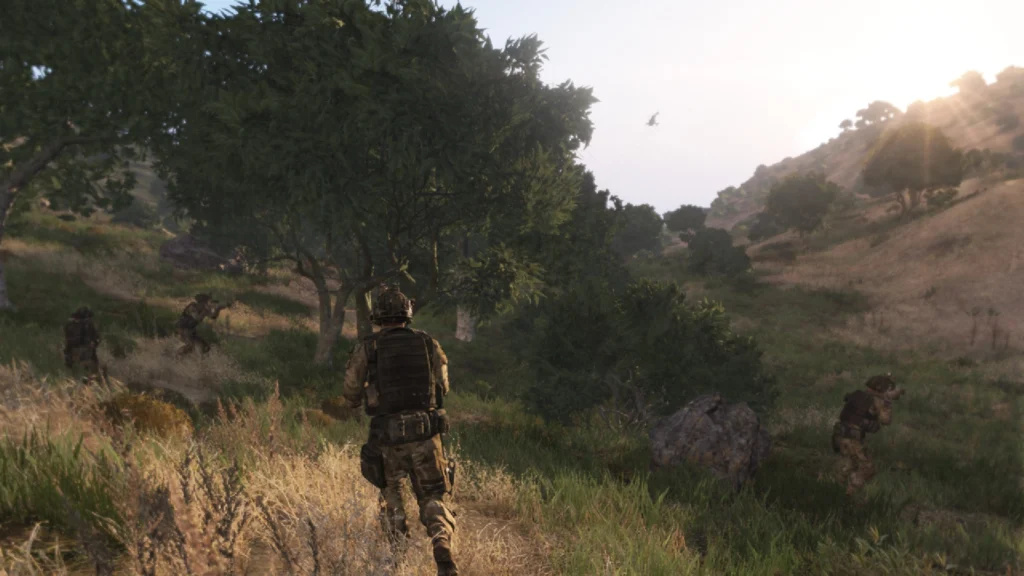
Arma 3’s multiplayer is less “jump in and frag out” and more “join a squad, follow orders, and hope the guy on comms actually knows what he’s doing.” It’s not about kill/death ratios or scoreboard dominance—it’s about coordination, survival, and sticking to the plan even when chaos erupts. This is where the game transforms from slow-paced simulation to pulse-pounding combat theater.
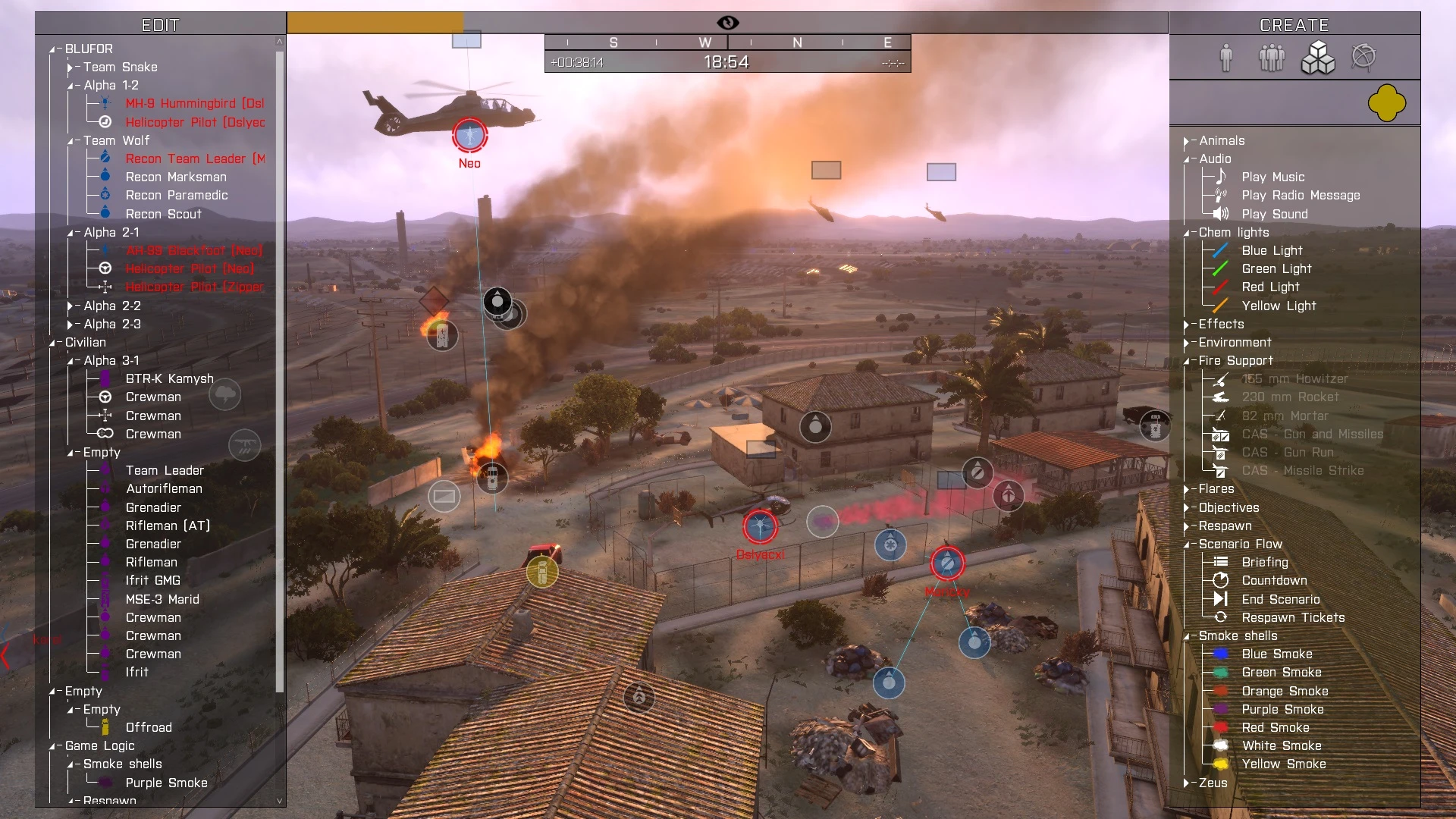
Co-op servers, especially Zeus-directed sessions, put players into dynamic scenarios that can evolve on the fly. One minute you’re sweeping a compound with your squad, the next you’re scrambling to set up a defensive perimeter because some player-controller Zeus decided the weather’s nice enough for a mortar strike. PvP servers lean toward objective-based modes like “Seize & Defend” or “Advance and Secure,” where communication is king and lone wolves are dead weight.
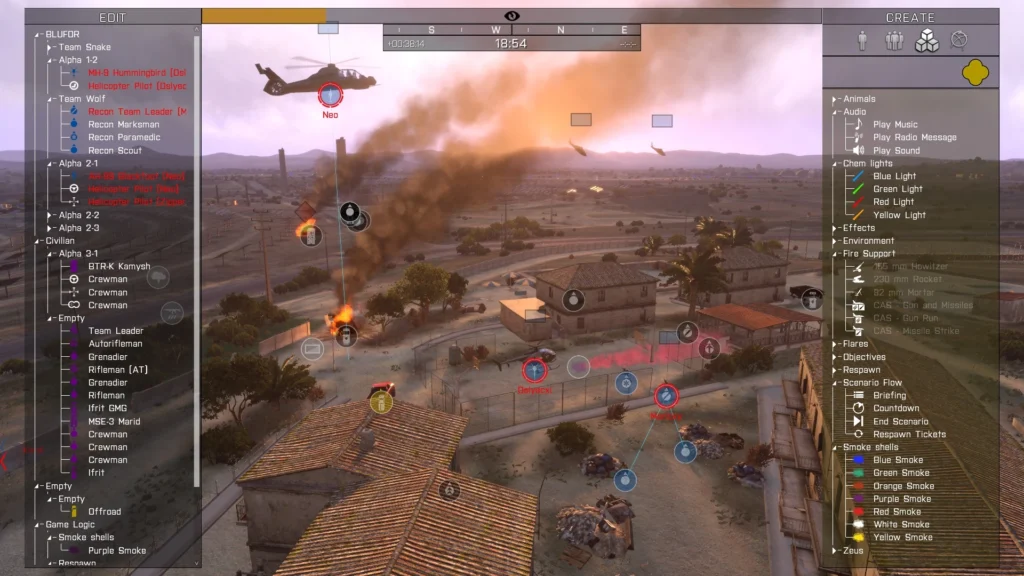
What keeps this ecosystem thriving in 2025? The community. Server admins don’t just host matches—they build them. Many of the best experiences in Arma 3 come from custom missions with carefully tweaked enemy AI, scripted events, and player-driven objectives. Some are near-professional in scope, complete with briefing documents, maps, logistics checklists, and mod packs tailored to specific roles. These aren’t just matches—they’re full-blown mil-sim experiences.
But there’s a catch: mods. Lots of them.
Most servers run with required mod packs, which means you’ll often need to install 10–30 GB worth of gear just to join. That may sound annoying, but it’s also part of what makes Arma 3’s multiplayer so deep. These aren’t cosmetic add-ons; they transform how the game plays. Some modded servers implement advanced medical systems, expanded vehicle arsenals, or unique gameplay rules like permadeath or real-time operations over multi-hour sessions. Think of them like rulesets for tabletop RPGs—without them, it’s not the same game.
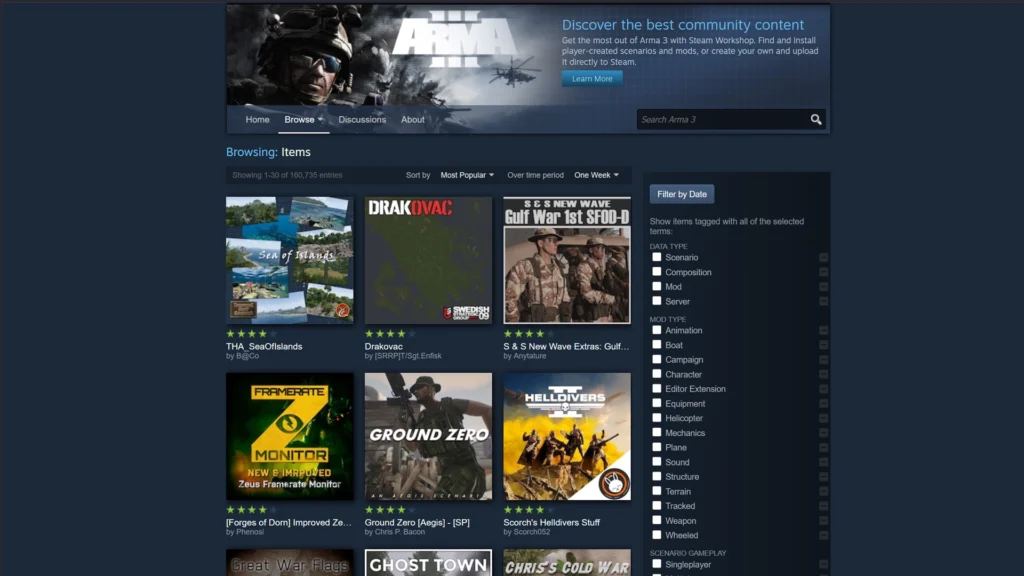
You’ll want to pay attention to server mod requirements (Steam Workshop makes this easier now), but once you’re in, the payoff is massive. Arma 3 offers something most multiplayer shooters can’t: persistent worlds, evolving objectives, and player-driven narratives that play out differently every time. Whether you’re leading a fireteam, coordinating air support, or just trying not to bleed out before the medic arrives, every moment feels earned.
And here’s where things bleed perfectly into Arma 3’s secret weapon: replayability.
Because when you combine official DLC, mod-required multiplayer, and a workshop teeming with user-generated missions and mechanics? You get a game that’s more than alive—it’s constantly reborn.
The Engine That Never Stops Running
Back in 2013, Arma 3 was already being hailed as a deep military sandbox—but no one predicted just how far the community would push it. Today, the game feels more like a platform than a product, thanks to a decade’s worth of official DLC and an ecosystem of mods that practically requires its own logistics command.
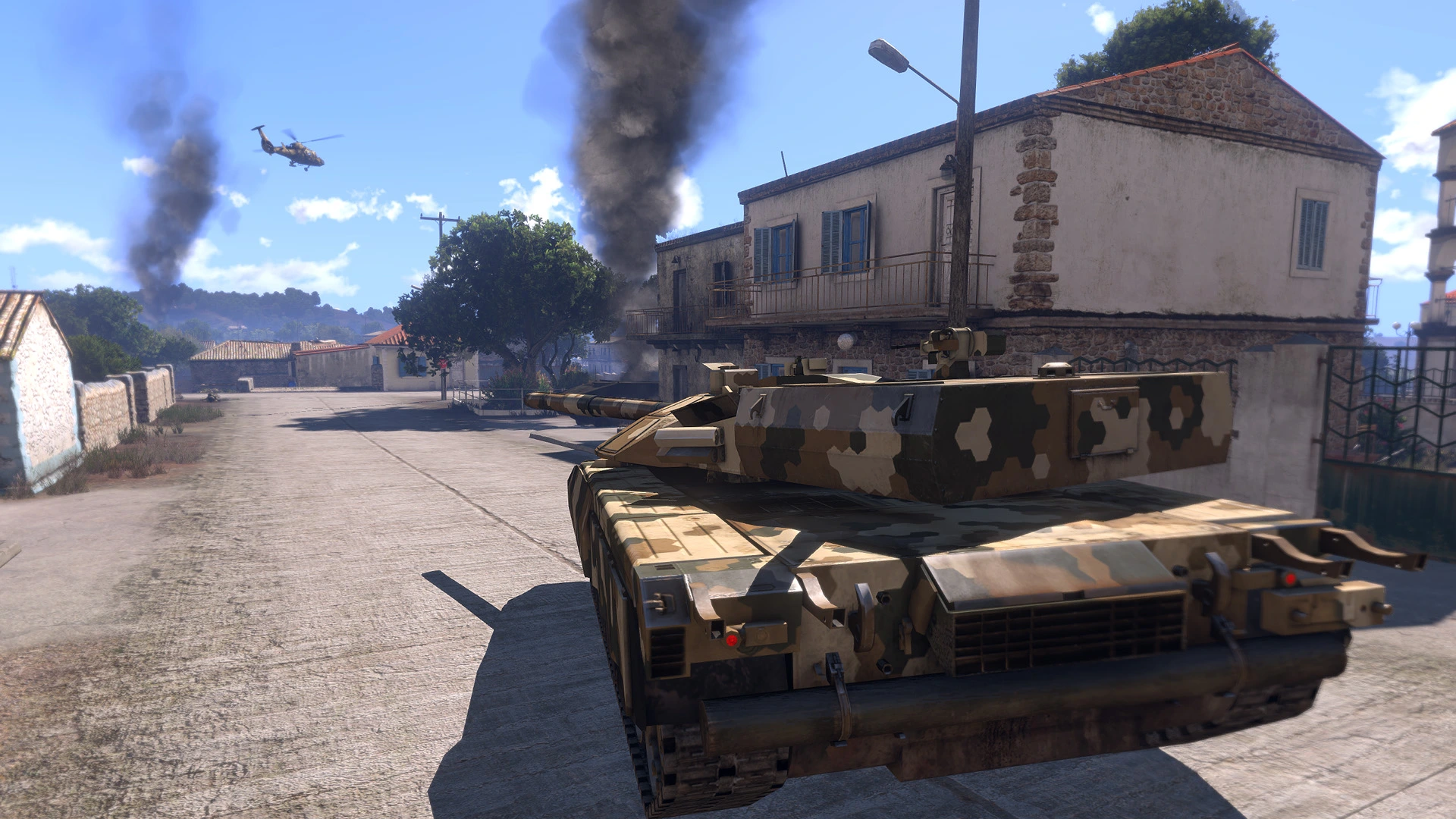
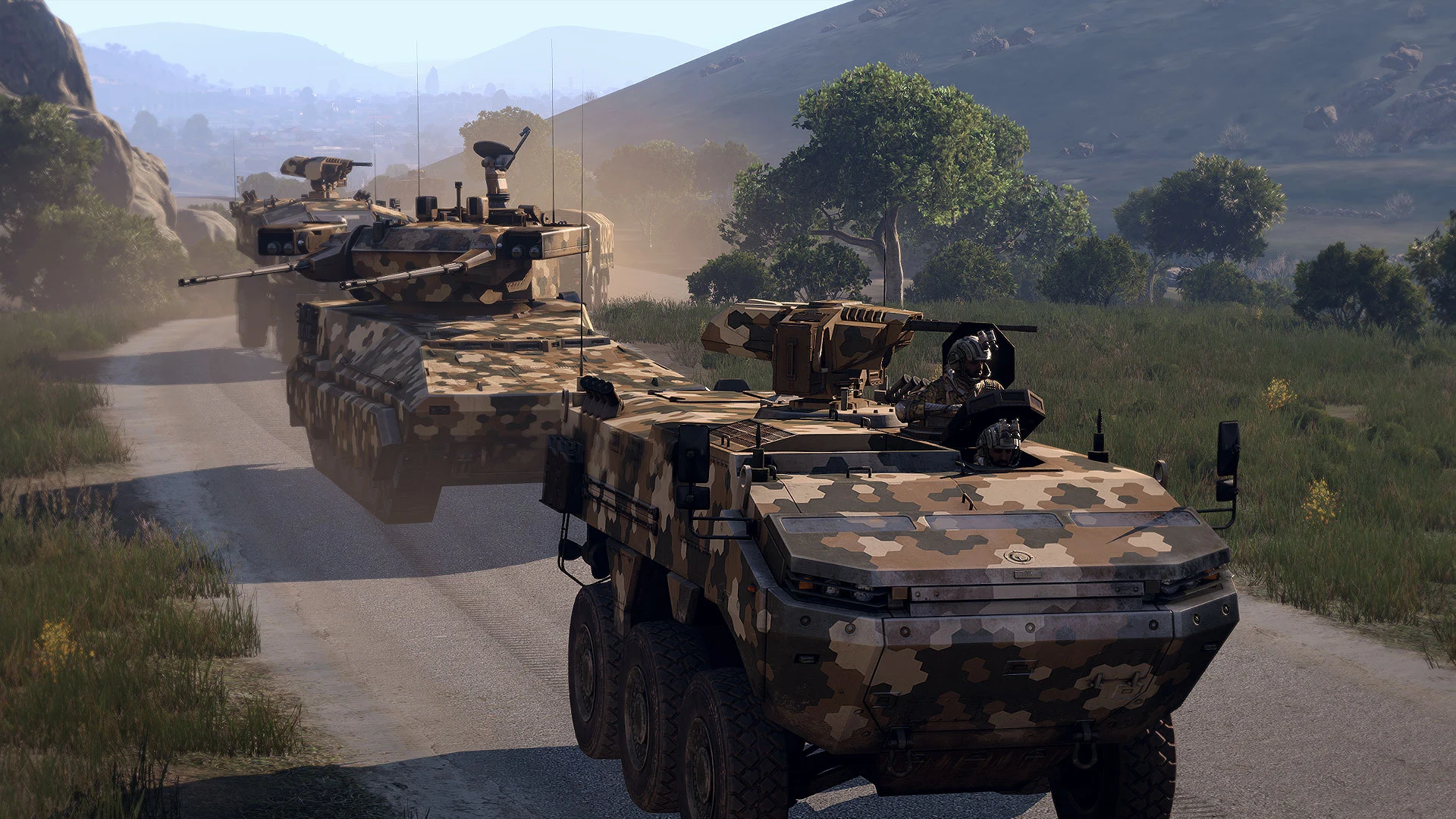
Let’s start with the DLCs. Bohemia didn’t just drop a jungle map and call it a day—though the Apex expansion did add Tanoa, one of the game’s most visually rich and tactically diverse environments. Over the years, we’ve seen Marksmen, Jets, Tanks, Contact, and Spearhead 1944, each offering new factions, weapons, gear, and mission types. Then came the Creator DLCs—third-party expansions like Global Mobilization, S.O.G. Prairie Fire, and Western Sahara—which raised the bar even higher with full-blown campaigns, Cold War tanks, Vietnam-era firefights, and desert skirmishes that feel like entire games in themselves. These aren’t tacked-on content drops—they’re genuine expansions.
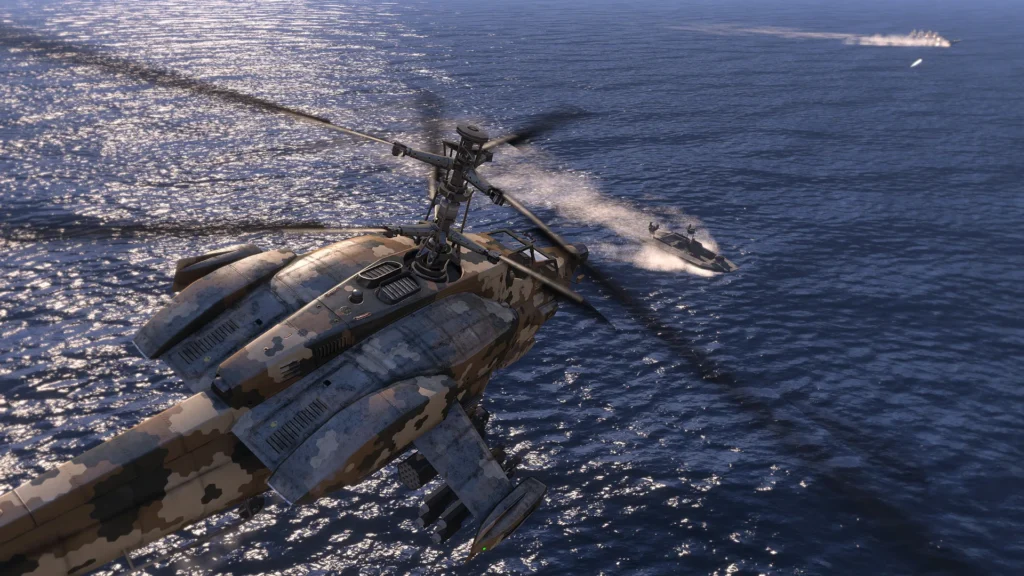
But mods? Mods are where Arma 3 transcends.
You’ve got ACE—the Advanced Combat Environment mod—which rewires the game’s core mechanics to simulate everything from realistic medical triage to wind-affected ballistics. Suddenly, every engagement becomes a logistical puzzle. Then there’s JSRS and DynaSound, which overhaul the game’s weak vanilla audio into something with serious punch. Gunfire echoes through valleys. Explosions shake the ground. The immersion level jumps tenfold.
Visual mods like Blastcore Edited and Photon VFX take the game’s already strong graphics and push them into near-cinematic territory. Forget pixelated fireballs—now you’re watching rolling shockwaves and blinding debris clouds. Movement gets an upgrade too, with Enhanced Movement Rework allowing vaulting, climbing, and more natural transitions, while Hide Among the Grass lets prone players actually use tall grass to stay hidden—imagine that.
The list keeps going: Zeus Enhanced empowers game masters with better tools for on-the-fly mission design. CUP, RHS, and Aegis expand the universe with dozens of factions, new vehicles, historical arsenals, and fully developed scenarios. You can run a Cold War standoff, a modern NATO assault, or a future-tech firefight—all with the click of a few mod subscriptions.
And let’s not forget the biggest legacy of all: DayZ—the entire genre-defining survival game—started as an Arma mod. That’s how powerful this platform is. What began as an ambitious military simulator has become a playground for some of the most creative players in gaming.
Replayability isn’t just a buzzword here—it’s the defining trait. Return after a month, and your favorite server might be running an entirely different mission style, a new faction, or a freshly created campaign. This isn’t content drip—it’s a flood.
All of this modding power ensures Arma 3 stays relevant even against newer, flashier competition. Games like Battlefield 2042 or Call of Duty: Warzone 2.0 might have the prettier engine, but they lack the flexibility, the player agency, and the lived-in feel of a world shaped by its community. Arma 3 doesn’t just give you tools—it dares you to use them.
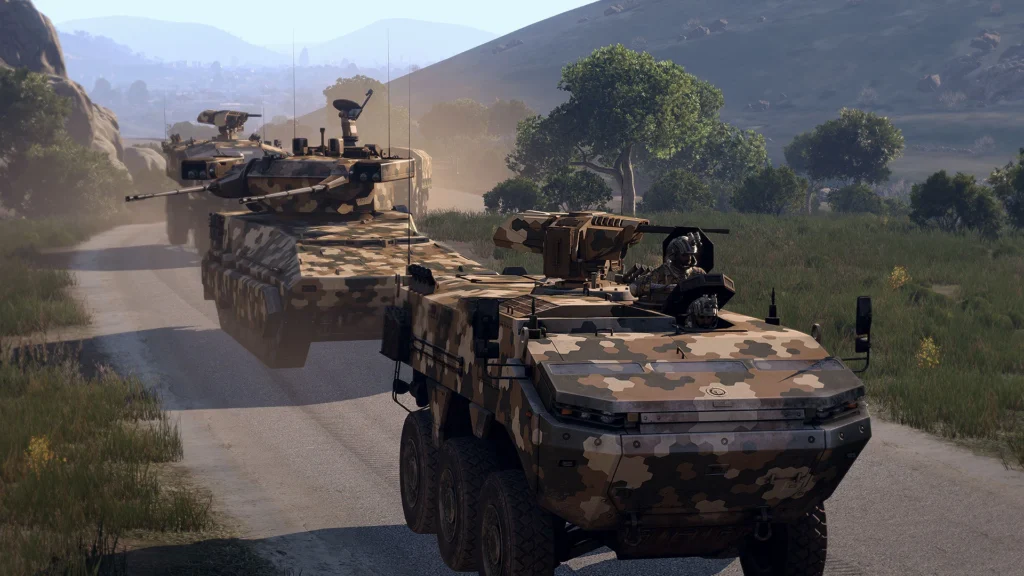
Final Verdict: A Sandbox That Still Commands Respect
Twelve years after launch, Arma 3 remains the gold standard for tactical military sandboxes—not because it’s perfect, but because no other game has ever tried (or dared) to do what it does at this scale. It’s not trying to compete with twitch shooters or corridor campaigns. It’s a long-game experience, one that demands coordination, patience, and a little pain tolerance. But once it clicks, it doesn’t let go.
This isn’t nostalgia at work—it’s momentum. A vibrant multiplayer community keeps servers full. Official DLC keeps the content fresh. And mods? Mods reinvent the game monthly. You’re not just playing missions—you’re building them, reshaping them, living in them.
Sure, there’s friction. The UI is clunky. Performance optimization still favors older CPU designs. And if you hate walking, Arma 3’s mission pacing might test your soul. But those drawbacks fade when your squad’s coordinating a four-prong assault across a misty valley, backed by a player-driven Zeus shelling enemy armor while a modded UH-60 circles overhead.
And with Arma 4 not expected until 2027, and Arma Reforger still working through its early-access adolescence, Arma 3 is where serious mil-sim players still rally. It’s not just surviving—it’s winning by attrition.
If you’ve never played it before, 2025 is a fantastic time to start. And if you’ve drifted away, now’s the time to reinstall, update your mods, and jump into a Zeus op. The community’s still here, the content never stopped, and the war—fictional though it is—goes on.
Pros:
- Still-active multiplayer with consistent player counts (9K–17K concurrent)
- Modding scene redefines graphics, audio, mechanics, and gameplay
- Deep sandbox flexibility: PvP, co-op, Zeus, and persistent servers
- Official DLC and Creator Packs keep the game fresh and varied
- Robust mission editor and Steam Workshop access
Cons:
- Steep learning curve, especially for new players
- Outdated UI and control scheme need refinement
- Base visuals and audio feel dated without mods
- Travel-heavy missions can drag without fast transport