


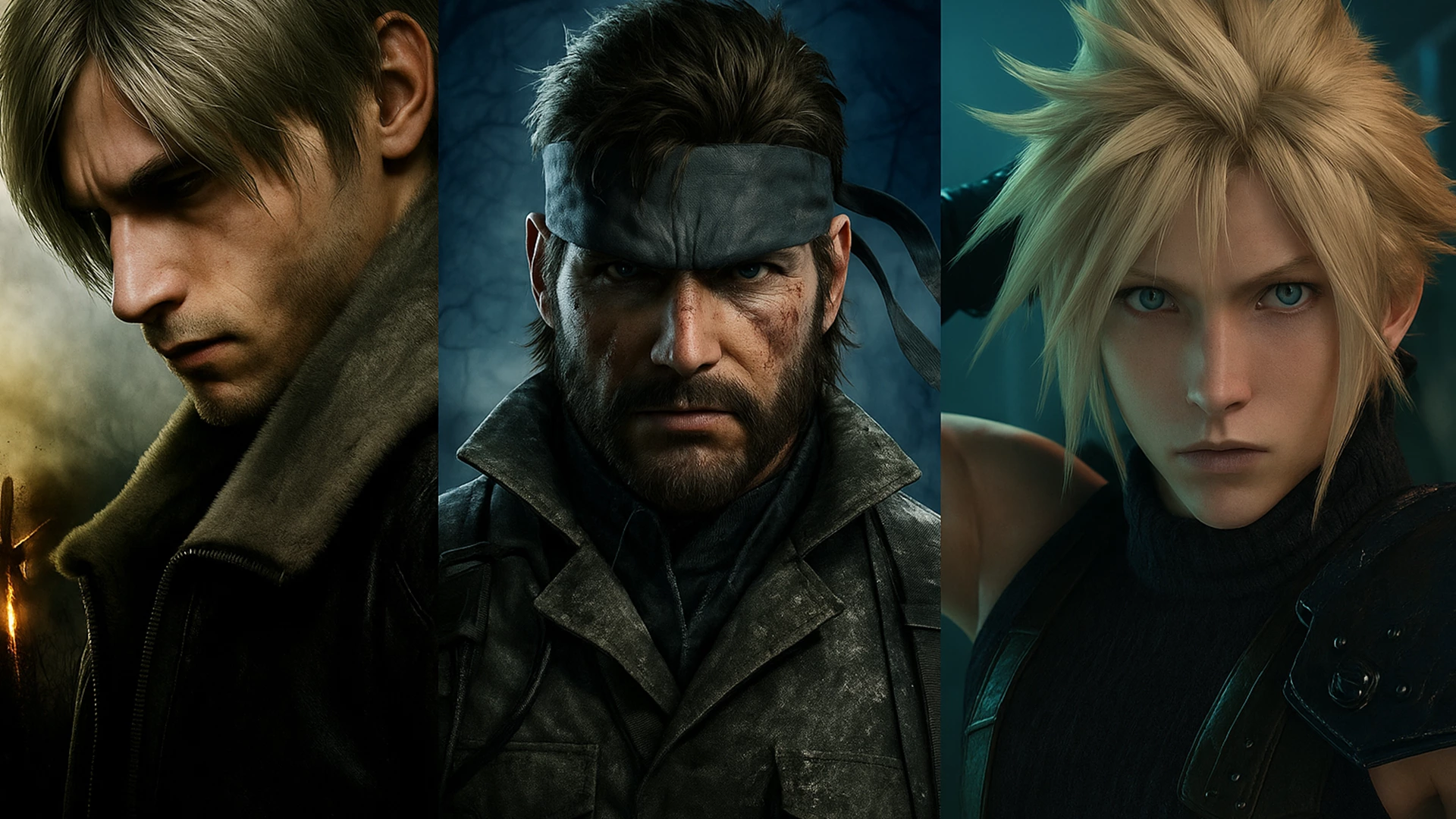

If you’ve felt like the release calendar has looked suspiciously familiar for a few years now, you’re not wrong. From Resident Evil 2 (2019) to Final Fantasy VII Remake (2020), Dead Space (2023), Resident Evil 4 (2023), and Final Fantasy VII Rebirth (2024), the remake train has been rolling for a while. This summer’s Tony Hawk’s Pro Skater 3+4 (July 2025) kept the momentum going, and more recently Metal Gear Solid Delta: Snake Eater (2025) also joined the party.
Welcome to the age of remakes, remasters, and reboots—where the industry’s favorite boss fight isn’t against technical limitations or development crunch, but against our own nostalgia. And so far? Nostalgia is winning.
The Flood of Remakes
Take a look at recent showcase lineups: if a publisher has an old IP, chances are they’re dusting it off. Silent Hill 2 Remake is trying to drag us back into foggy trauma. Dead Space got polished into one of the best survival horror experiences of this generation. Square Enix is betting an entire trilogy on revisiting a game from 1997.
Even mid-tier and indie studios are catching remake fever. Cult classics once buried in the PS2 or early Xbox era are suddenly being “reimagined” with Unreal Engine 5 glow-ups. And why not? For publishers, it’s the ultimate risk-free grind: players already love the source material, critics will at least show up to compare screenshots, and marketing writes itself.
There’s also a simple economic truth here: the kids who grew up with these games are now adults with disposable income. Publishers aren’t just banking on nostalgia — they’re banking on the buying power of gamers who can finally afford to splurge on $70 remakes of their childhood favorites.
Why Nostalgia Works
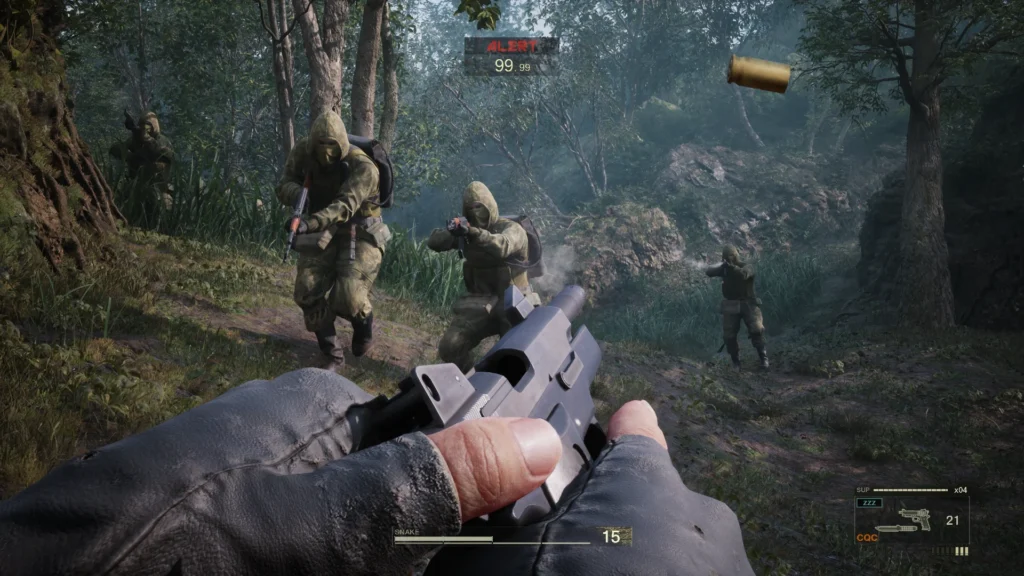
It’s easy to see why this works. Gaming is deeply tied to memory — those late nights grinding through Resident Evil 2, the first time you hit a Limit Break in Final Fantasy VII, the feeling of sneaking through jungles in Snake Eater. Studios aren’t just selling us games, they’re selling us the chance to relive the “golden age” of our own gaming lives.
And from a business perspective, it’s brilliant. New IP is risky and expensive. Nostalgia? That’s like farming XP in a zone you’ve already cleared. Safe, predictable, and loaded with loot.
The kicker? Nostalgia markets itself. Social media explodes the moment a remake is announced. Streams, reaction videos, think pieces — all free hype, because we already know these characters and worlds. You don’t need to explain who Leon Kennedy is — you just show him in 4K and watch the internet melt.
The Double-Edged Sword
Of course, nostalgia can cut both ways.
When it works, it works. Resident Evil 2 Remake didn’t just modernize the visuals — it redefined survival horror for a new generation. Dead Space Remake respected the original’s atmosphere while quietly fixing its rough edges. These games weren’t just love letters to fans; they were proof that some classics really do deserve another shot.
But when it bombs? Oh boy. GTA Trilogy Definitive Edition will go down as the “don’t do this” case study for years. Buggy, ugly, and rushed, it took three of the most beloved open-world games ever made and somehow made them worse. Fans weren’t just disappointed — they were furious. It was like Rockstar Games handed us coal and charged diamond prices.
And then there’s the endless rehashing of games that didn’t need it. The Last of Us Part I remake sparked endless debates about whether it was worth $70 when the remaster still looked great. Sometimes a remake feels less like a tribute and more like a cash grab with HDR.
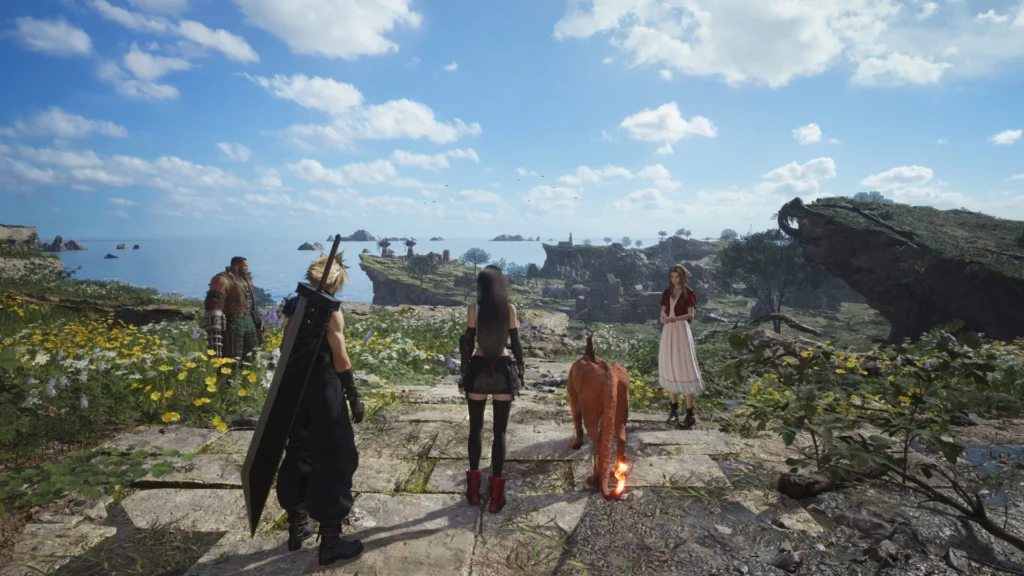
The best remakes respect the source material, modernize mechanics without losing the soul, and use new tech to elevate rather than just decorate. That’s why Resident Evil 4 Remake still feels like RE4, but plays smoother, scarier, and smarter. It’s why Final Fantasy VII Rebirth works — it doesn’t just rehash the original; it adds layers, twists, and even meta-commentary on what remakes mean.
When done right, nostalgia is like New Game+ for the industry: familiar, but fresher.
And when it fails? It’s usually because the game feels hollow. Like a speedrun where the devs just slapped better textures on and hoped no one noticed. Or when the monetization creeps in — loot boxes, battle passes, or overpriced “deluxe editions” of a game we already bought twice.
It’s one thing to revisit old worlds. It’s another to exploit them. Fans can smell the difference, and nothing kills the magic faster than feeling like you’ve been mugged in your own childhood.
Final Thoughts
Here’s the thing: nostalgia isn’t going away. In fact, it’s shaping the future of gaming. New IP is still coming — Starfield last year proved that big swings are possible — but publishers will keep returning to the well because the well never runs dry.
The danger is when the industry leans too hard on it. If every showcase is just “here’s a remake of something you loved 20 years ago,” we risk turning gaming into an endless rerun. Innovation gets shoved aside, and all we’re left with is prettier versions of the past.
But when handled right, nostalgia can be magic. It can bring forgotten gems to life for a new audience. It can give veterans that “I remember this” chill. And it can remind us that games aren’t just products — they’re memories.
